
Beyond the Frame: The 7 Technical Standards That Define 'Museum Quality' Oil Paintings
When investing in fine art, the term museum quality oil paintings is often used as a hallmark of excellence. But for the discerning art collector or interior designer, "quality" is not a vague aesthetic—it is a set of measurable technical benchmarks.
At SavyCanvas, we believe that true art should last for generations. To help you navigate the world of fine art acquisitions, here are the seven technical standards that define a masterpiece worthy of a museum.
1. Superior Support: Belgian Linen and Acid-Free Priming
The foundation of a painting determines its lifespan. While standard cotton canvas is common for hobbyists, museum quality oil paintings* utilize *Belgian linen. Linen is stronger, has longer fibers, and is significantly more resistant to the expansion and contraction caused by humidity.
Furthermore, the support must be treated with acid-free, archival gesso. This prevents the acidic nature of linseed oil from "burning" or disintegrating the fabric over time, ensuring the canvas remains structurally sound for centuries.
2. High Pigment Density and Lightfastness
A painting is only as vibrant as the materials used. Professional-grade works utilize paints with a high pigment-to-binder ratio. These pigments are rigorously tested for lightfastness (usually rated ASTM I or II). This rating ensures the colors will not fade, bleach, or shift when exposed to natural light, preserving the artist's original vision for 100+ years.
3. Structural Integrity: The 'Fat Over Lean' Rule
To prevent premature cracking, known as craquelure, master artists follow the "Fat Over Lean" principle. Each subsequent layer of paint must contain more oil ("fat") than the layer beneath it. This allows the top layers to remain flexible as the bottom layers dry and settle. Adherence to this rule is what separates a durable investment from a painting that will flake within a decade.
4. Authentic Hand-Painted Texture
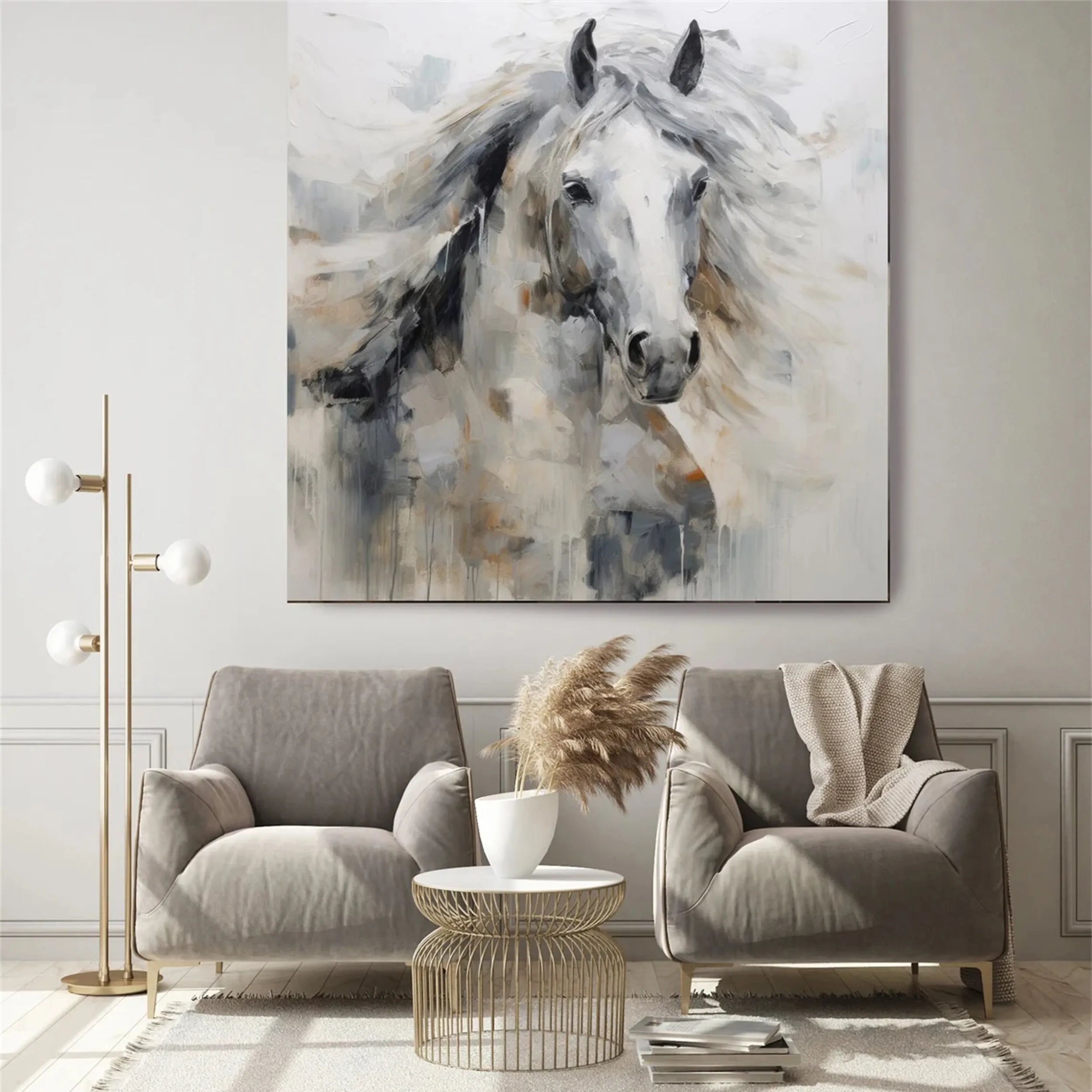
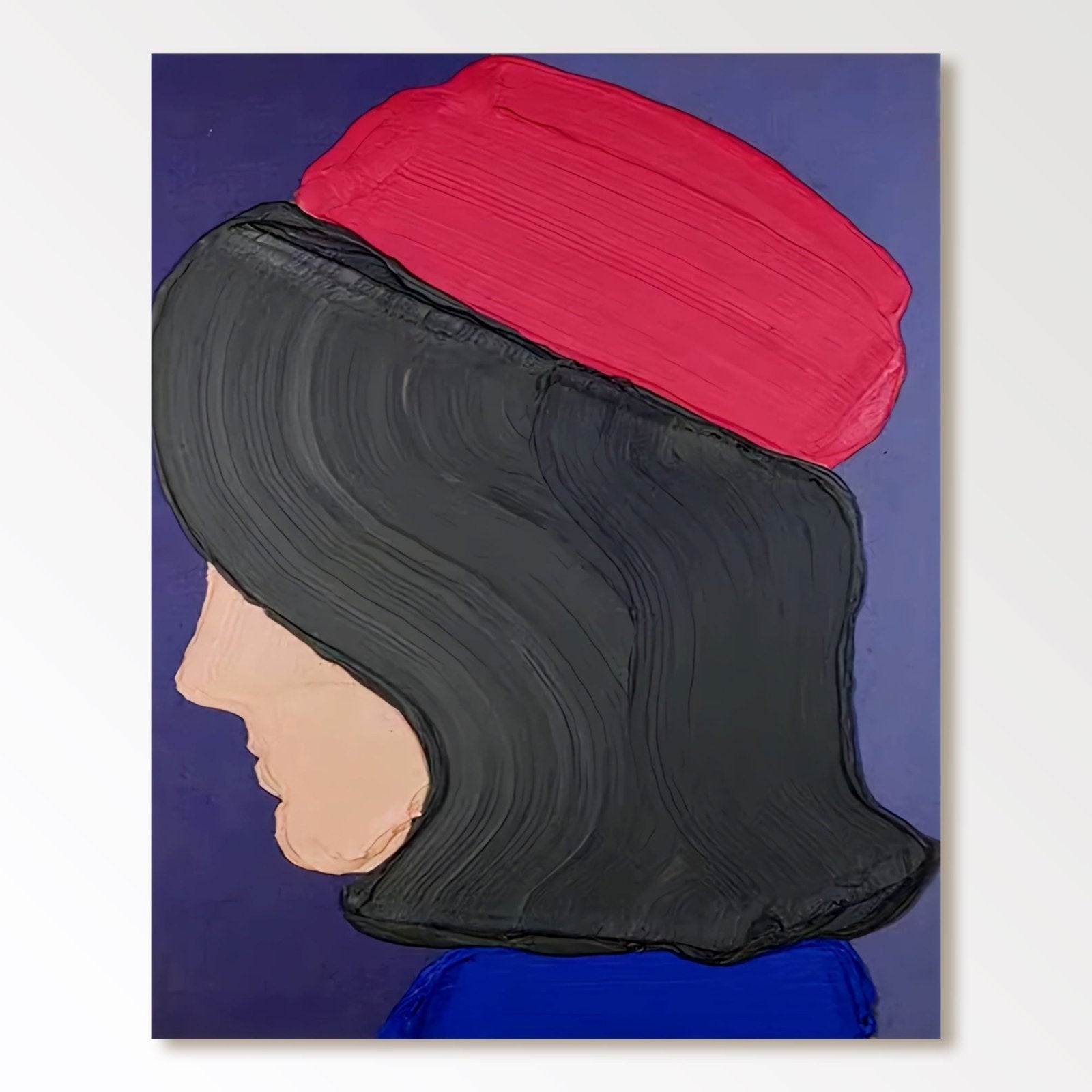
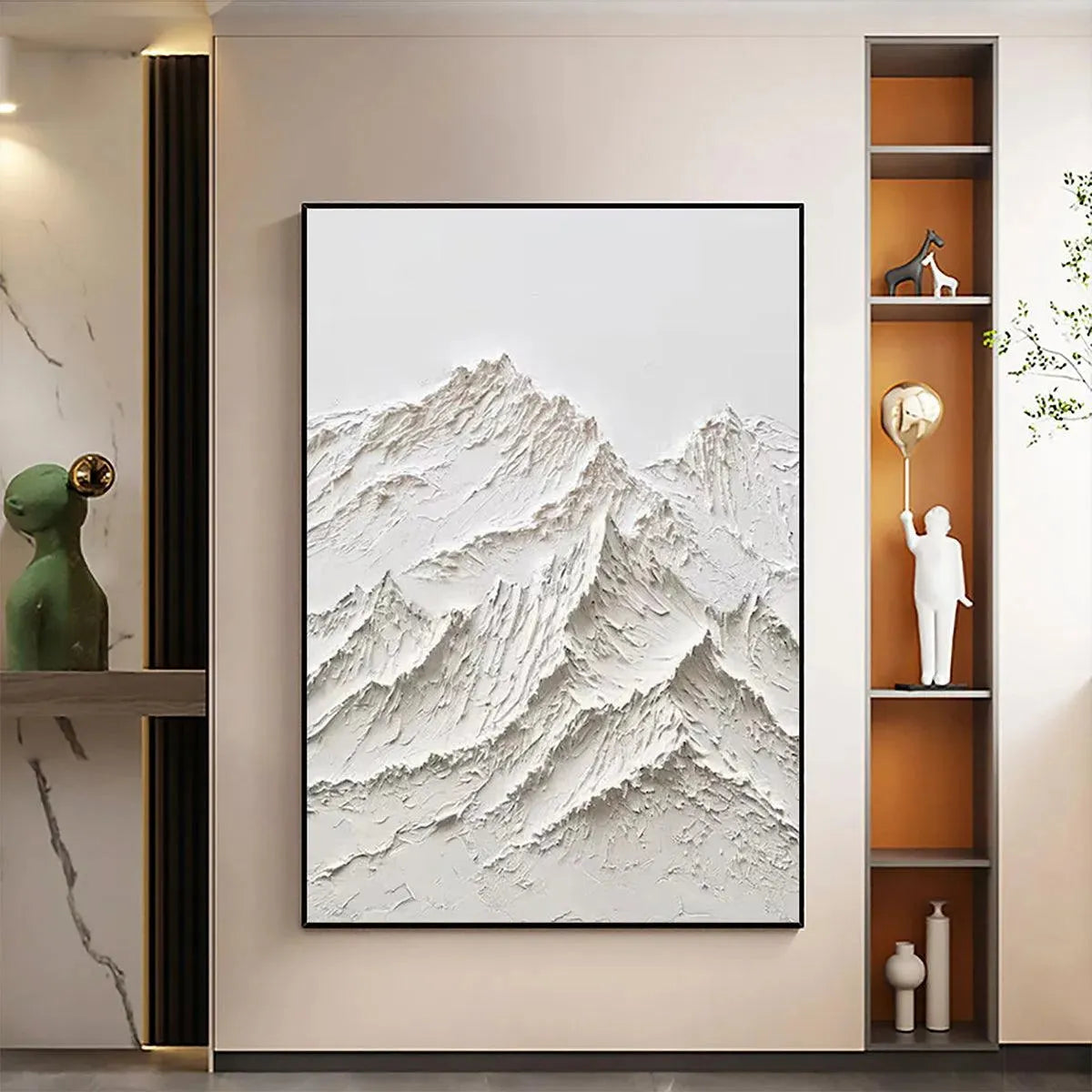
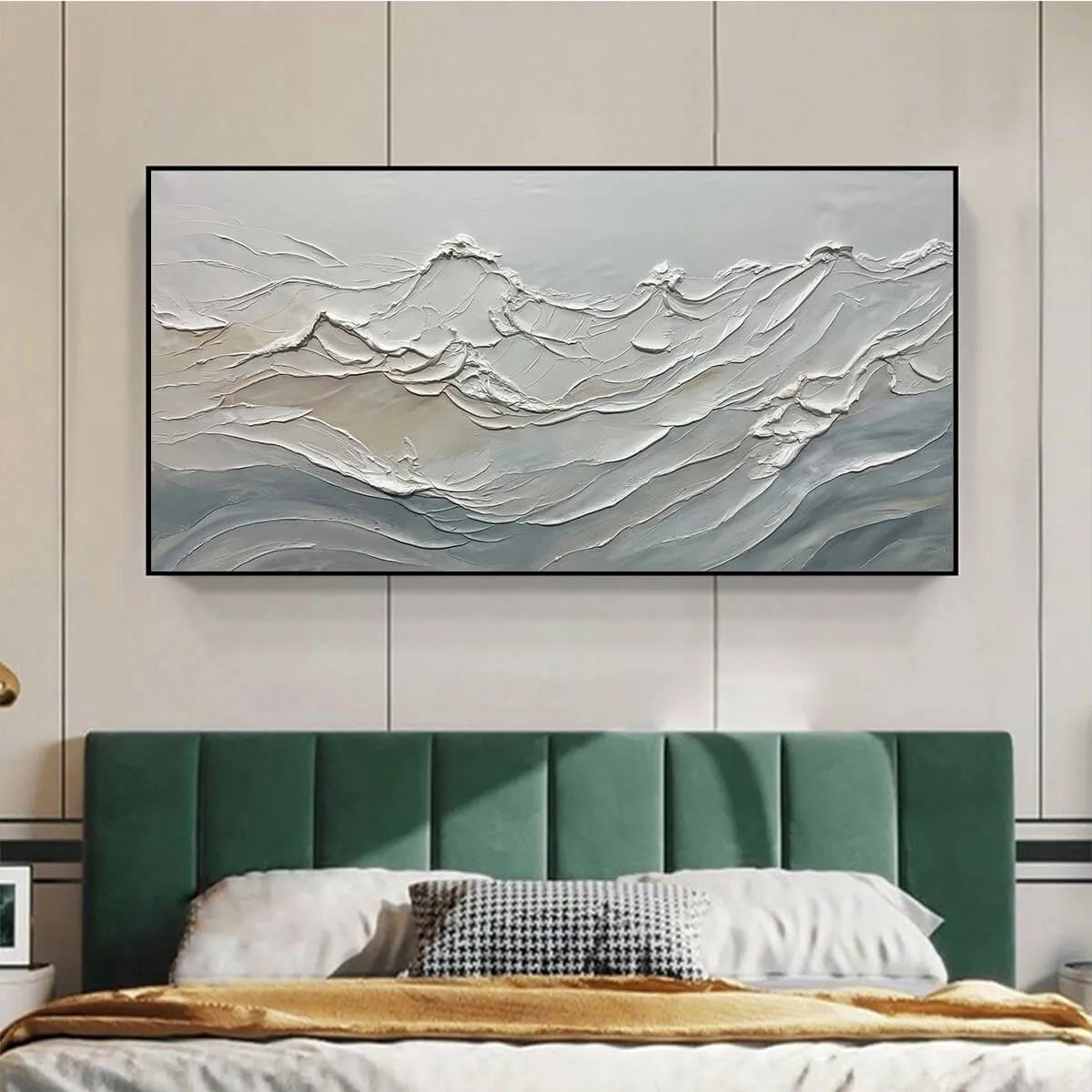
Unlike "enhanced" prints or digital giclées, a true museum-quality piece is 100% hand-painted from start to finish. This creates a physical depth known as impasto—where the physical height of the paint catches the light. This tactile quality adds a three-dimensional life to the work that machine-made reproductions simply cannot replicate.
5. Solvent and Medium Purity
The "secret sauce" of a masterpiece is the medium used to flow the paint. Low-quality solvents and fillers can cause the paint film to become brittle or yellow. Technical standards require the use of pure, cold-pressed linseed oil, walnut oil, or stand oil. These natural mediums ensure a clear finish and a permanent bond between the pigment and the canvas.
6. Archival Protective Varnishing
Varnish is the painting’s first line of defense. A museum-quality work is finished with a non-yellowing, archival varnish that protects the surface from UV rays, dust, and smoke. Crucially, this varnish must be reversible. This allows future conservators to safely remove and replace the varnish layer without ever touching the original paint.
7. The Human Element: Masterful Craftsmanship
Beyond the technical specs of the canvas and paint, the skill of the artist is the ultimate standard. Museum quality is defined by:
* Color Blending: Seamless transitions without "muddying" the tones.
* Anatomical Accuracy: Precision in form, perspective, and lighting.
* Compositional Balance: A visual harmony that guides the eye across the canvas.
Conclusion: Investing in Longevity
Choosing museum quality oil paintings from SavyCanvas means choosing an heirloom. By adhering to these seven technical standards, we ensure that every brushstroke you see today will remain just as vivid and impactful for the generations to come. When you go beyond the frame, the quality of the craftsmanship speaks for itself.





Leave a comment
This site is protected by hCaptcha and the hCaptcha Privacy Policy and Terms of Service apply.