




















Why Wabi-Sabi Art is the Heart of 2026 Interior Design
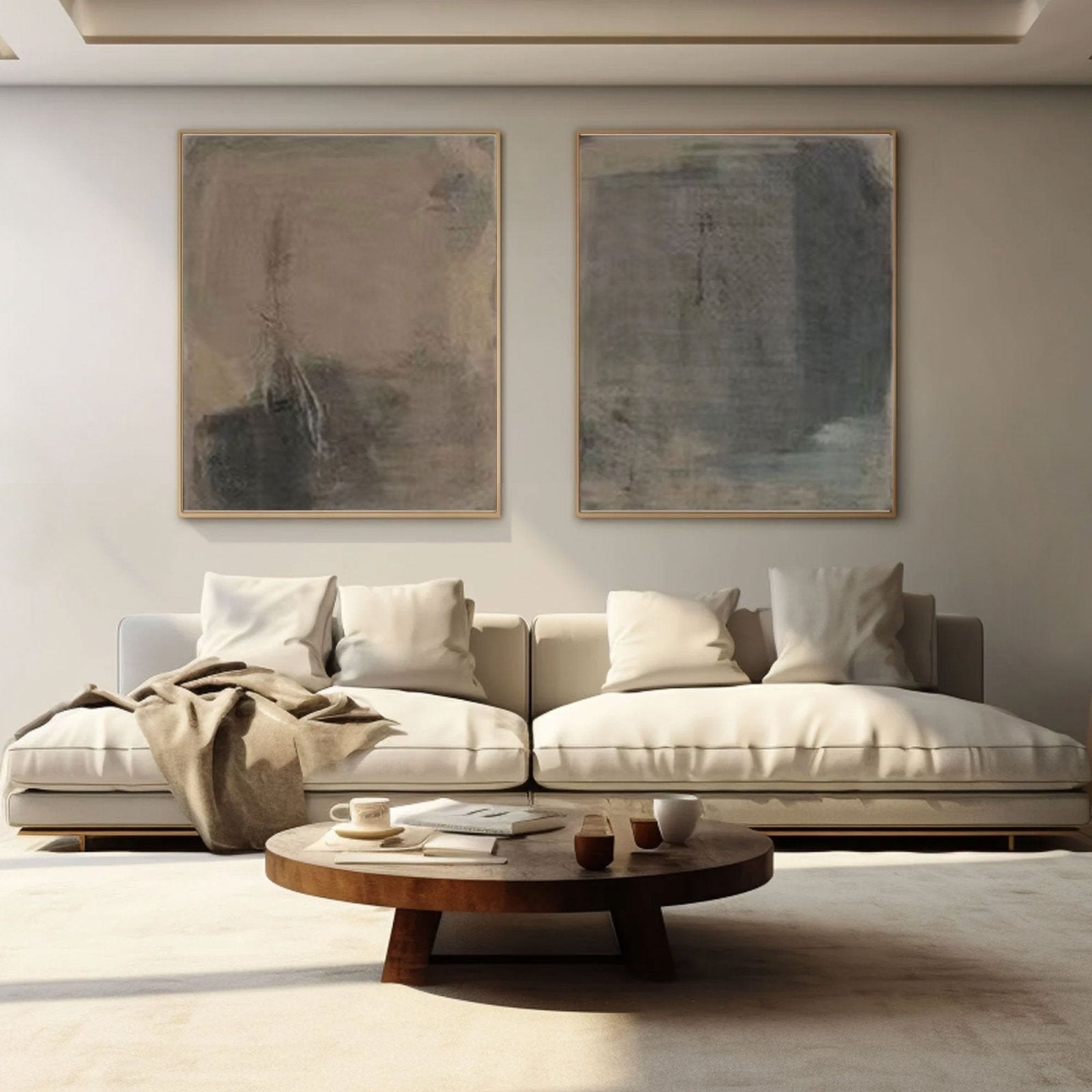
As we move toward more intentional and mindful living in 2026, Wabi-Sabi wall decor has emerged as the leading choice for those seeking "Quiet Luxury." Unlike trendy pieces that fade with the seasons, a Wabi-Sabi inspired painting offers a timeless appeal that grounds a room, making it feel lived-in and soulful.
1. The Power of Neutral Textured Canvas
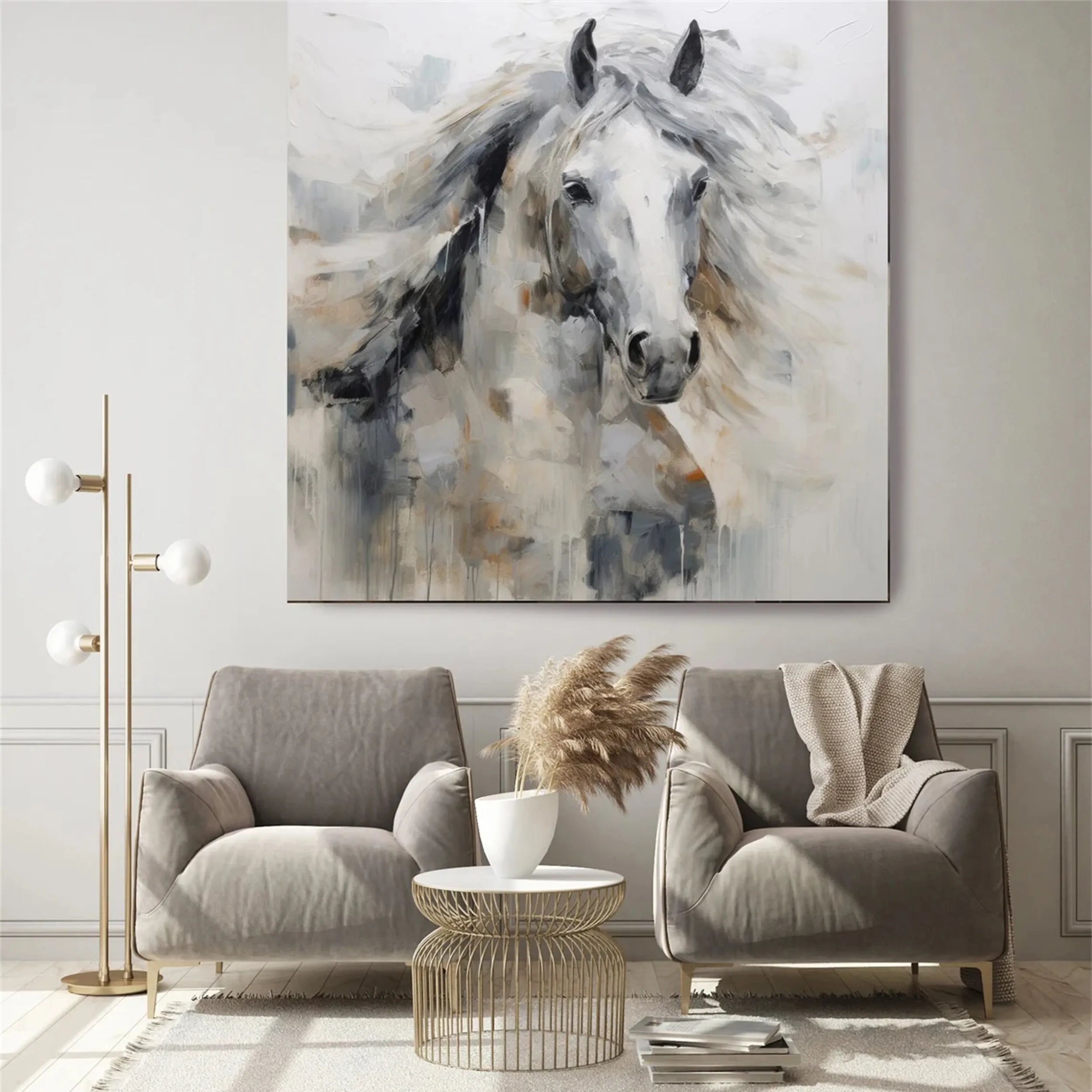
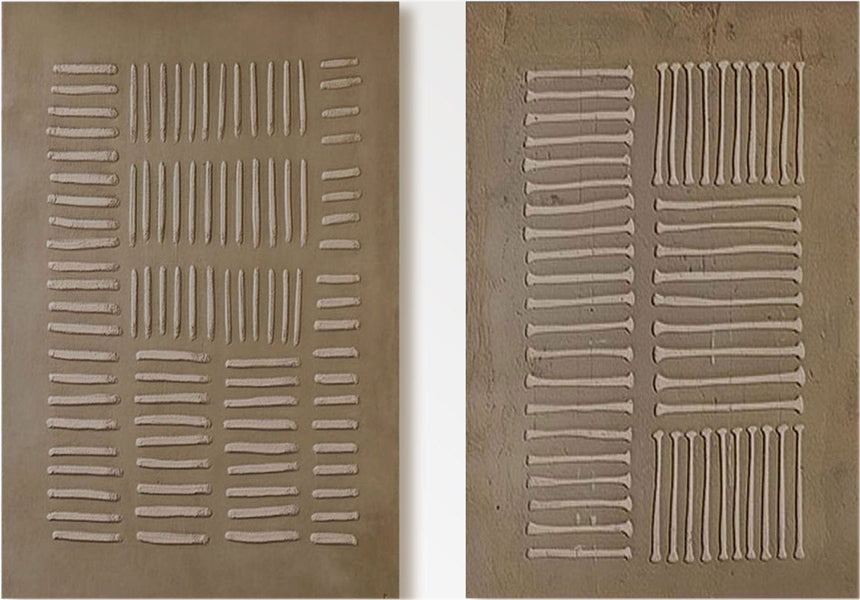
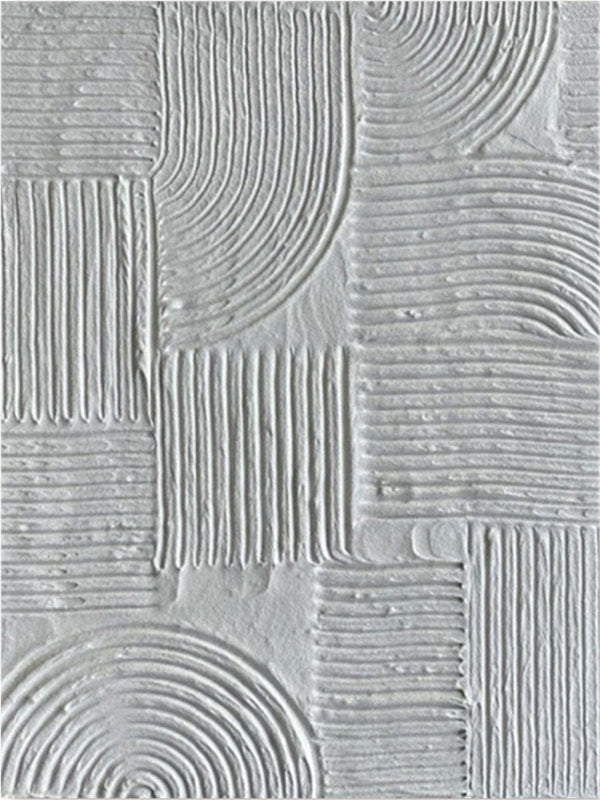
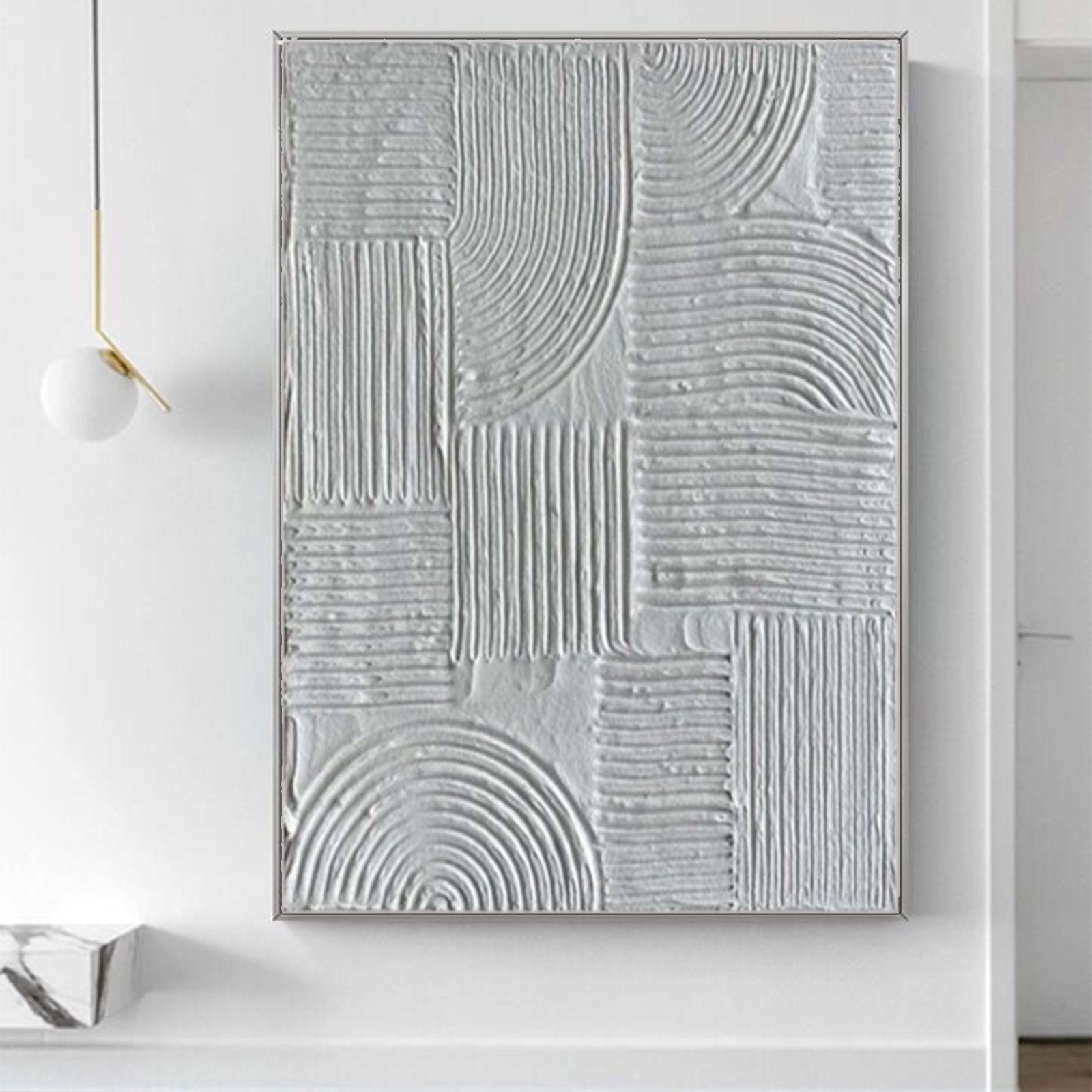
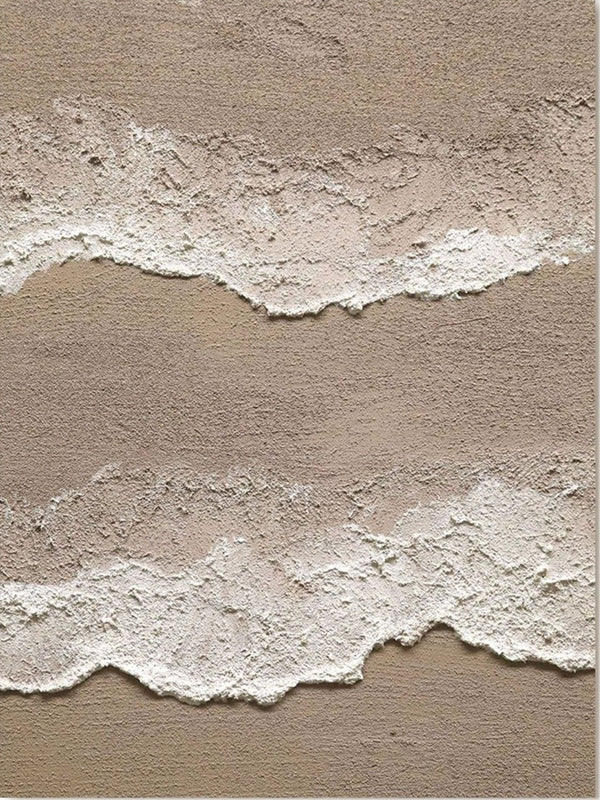
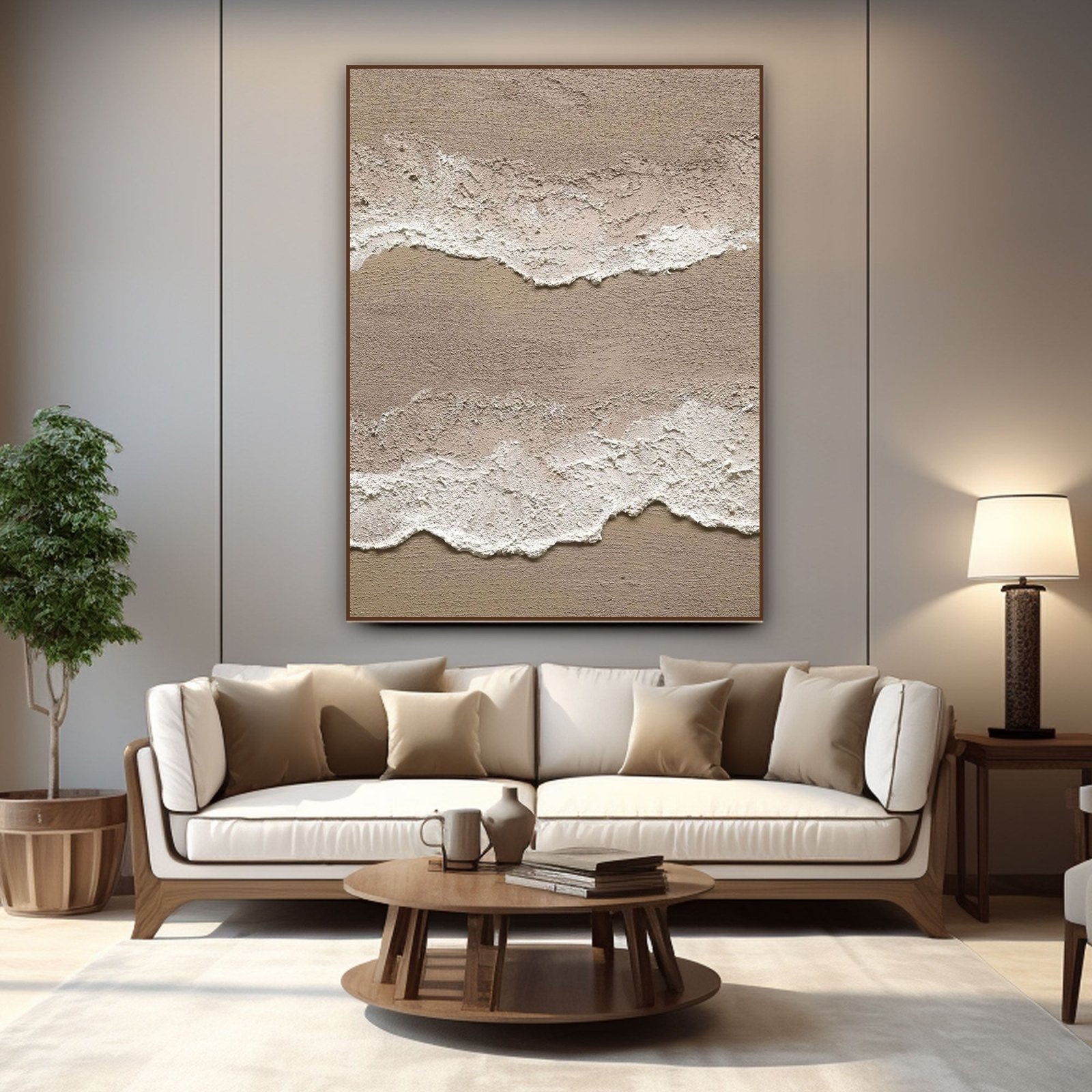
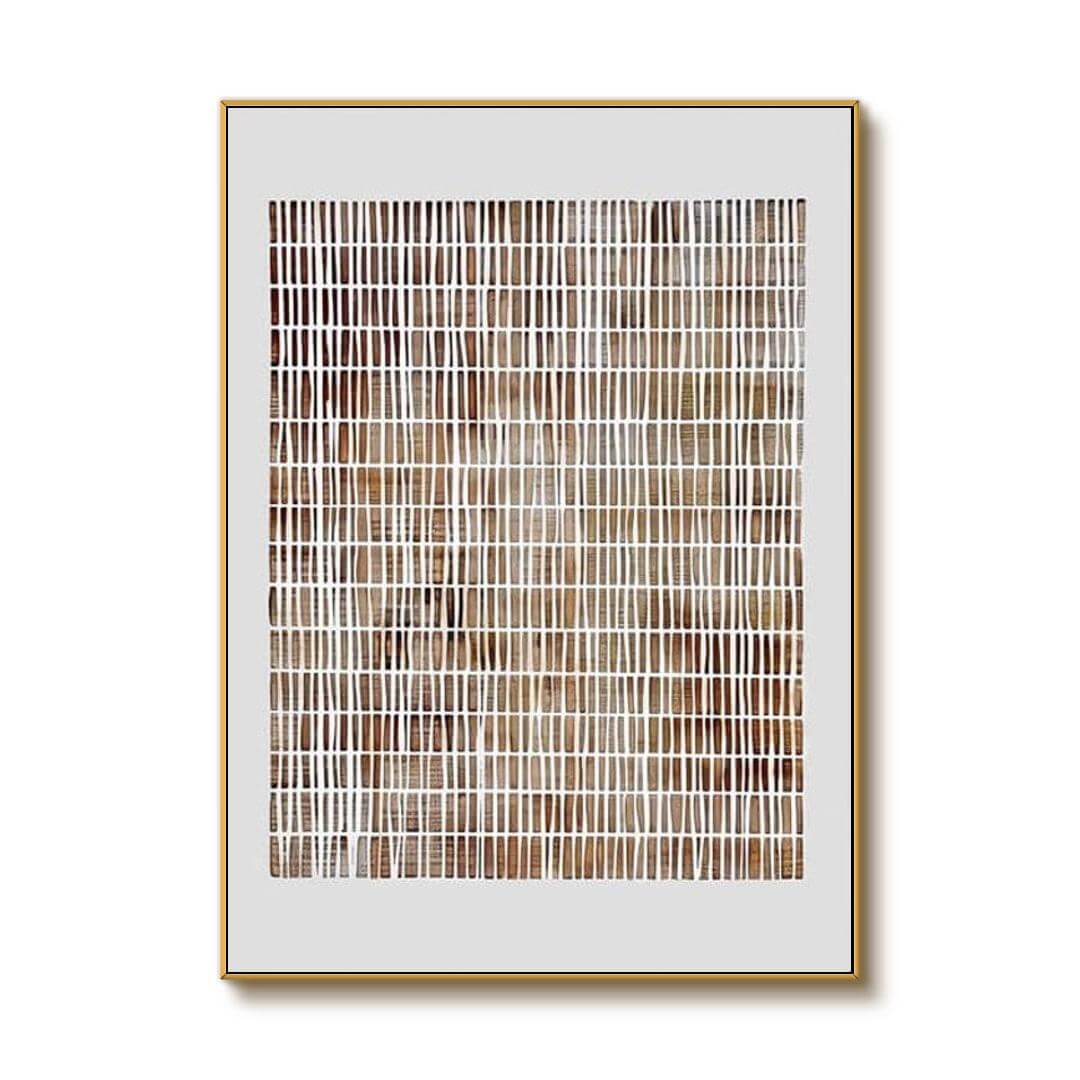
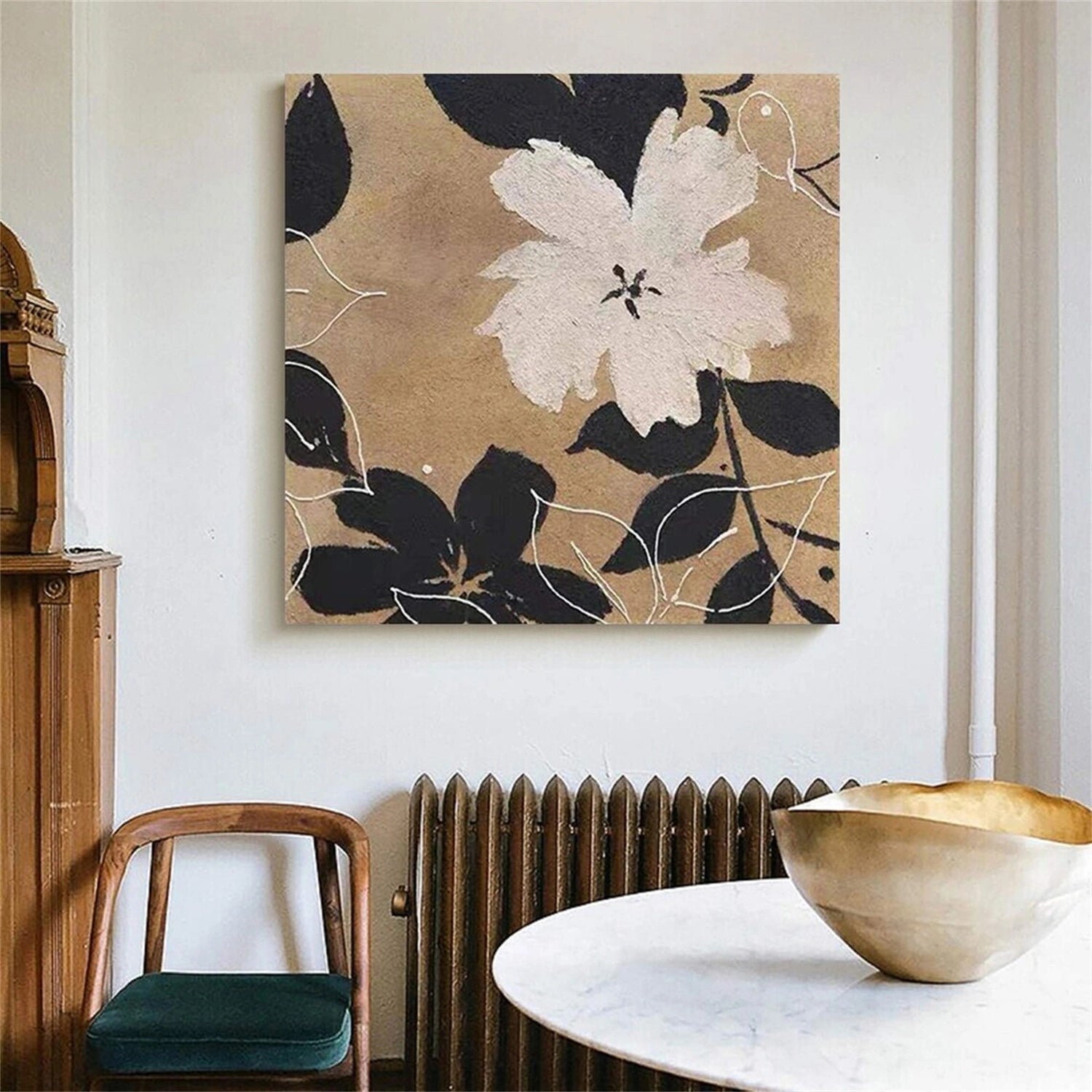
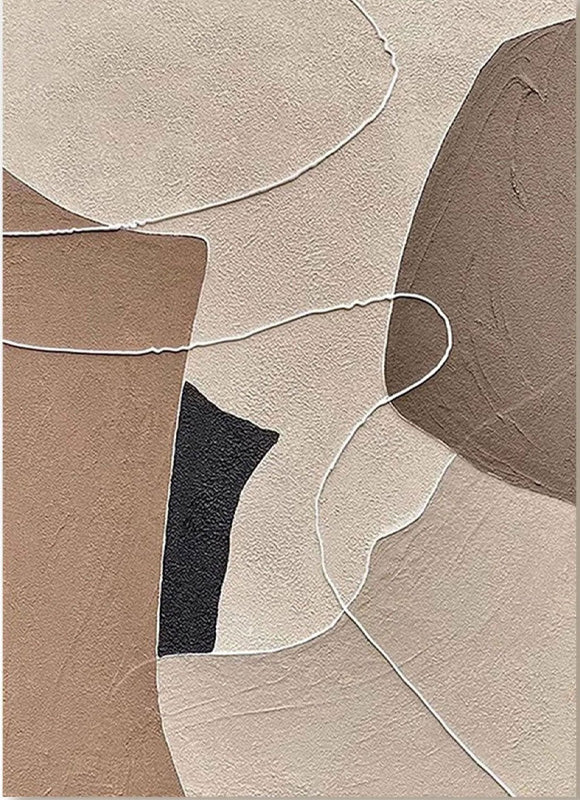
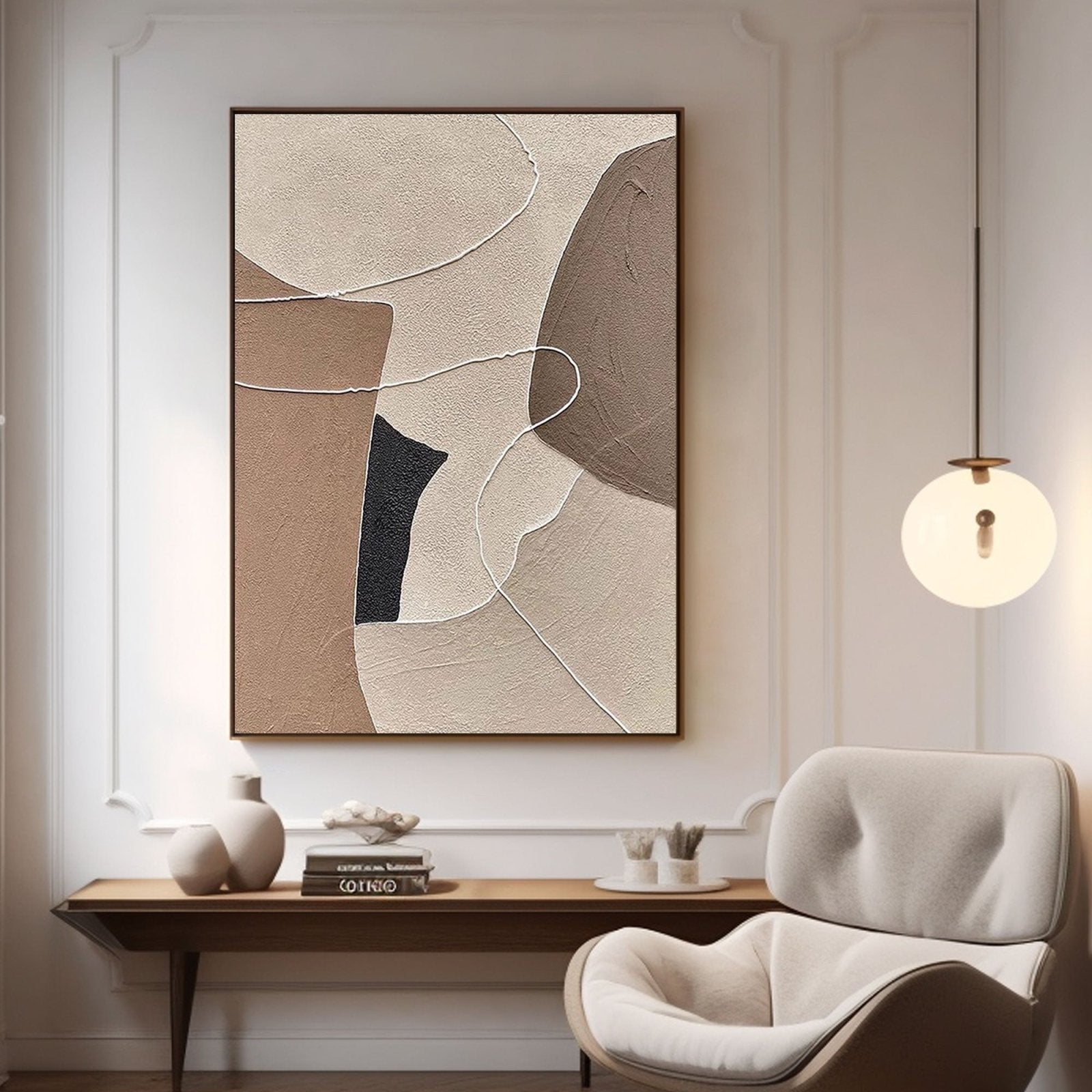
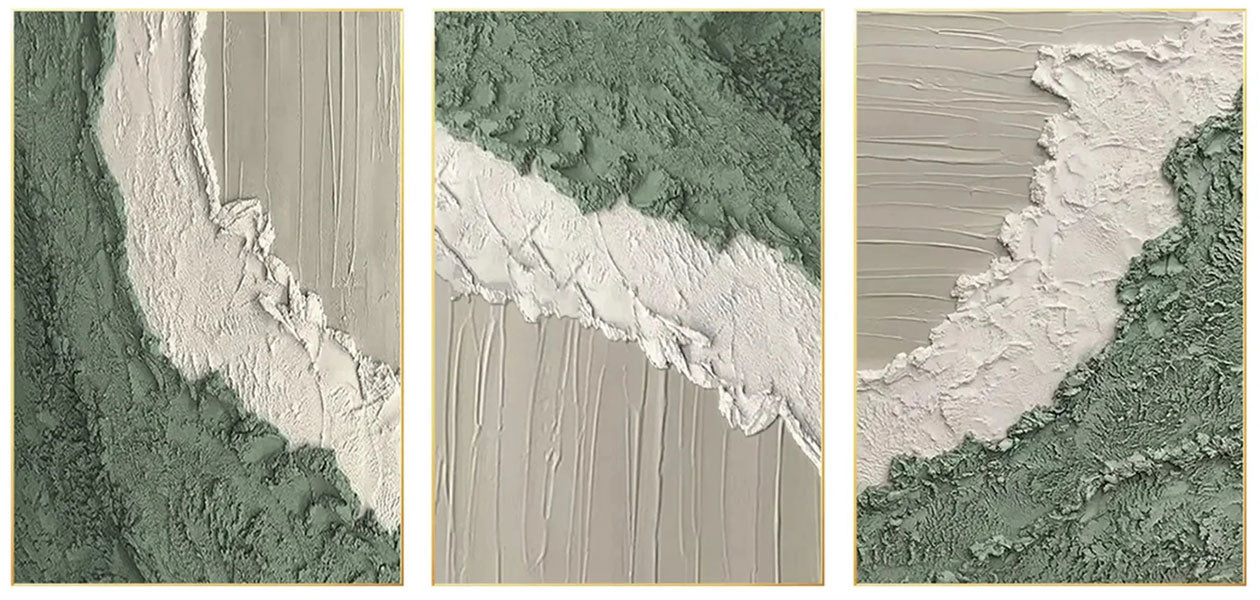
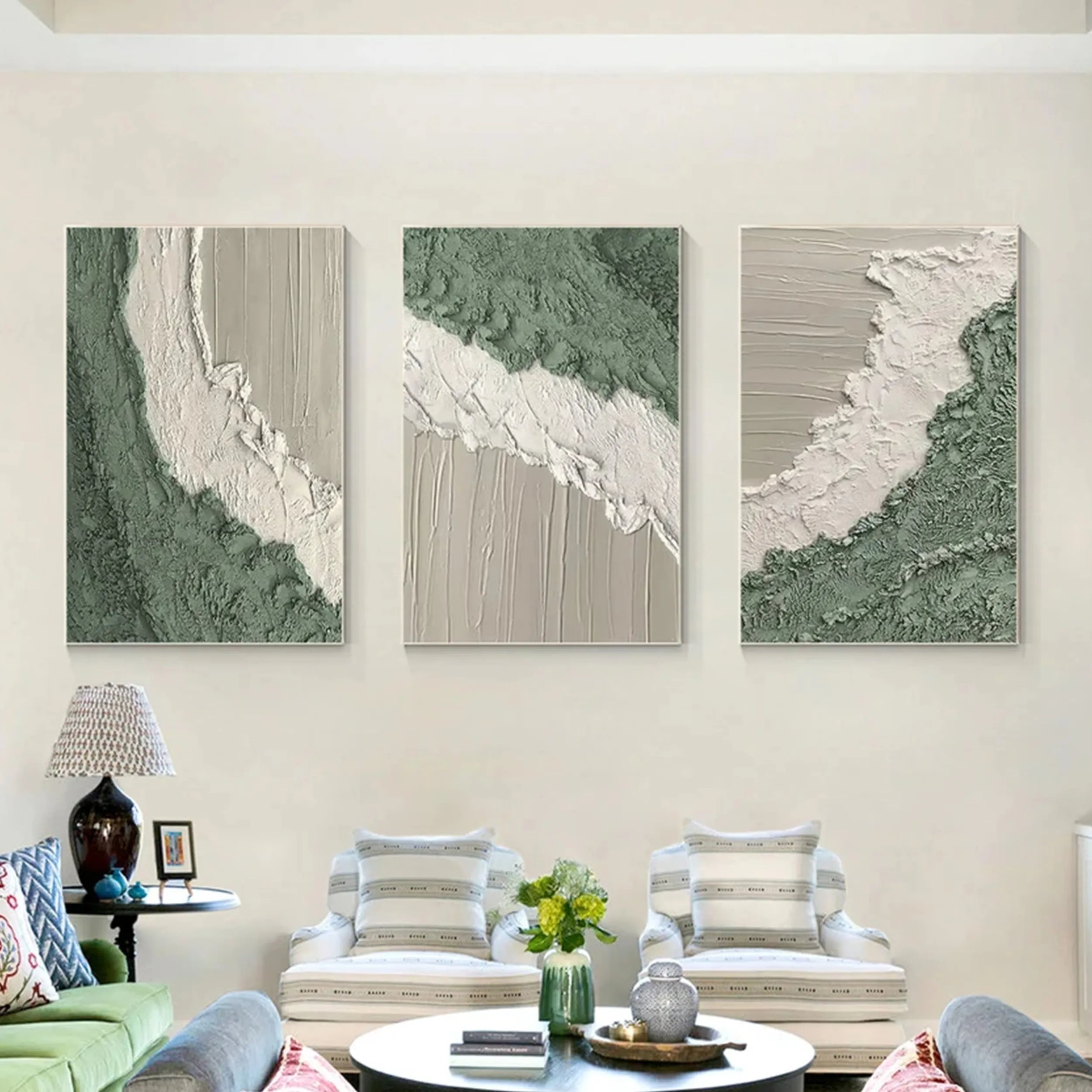
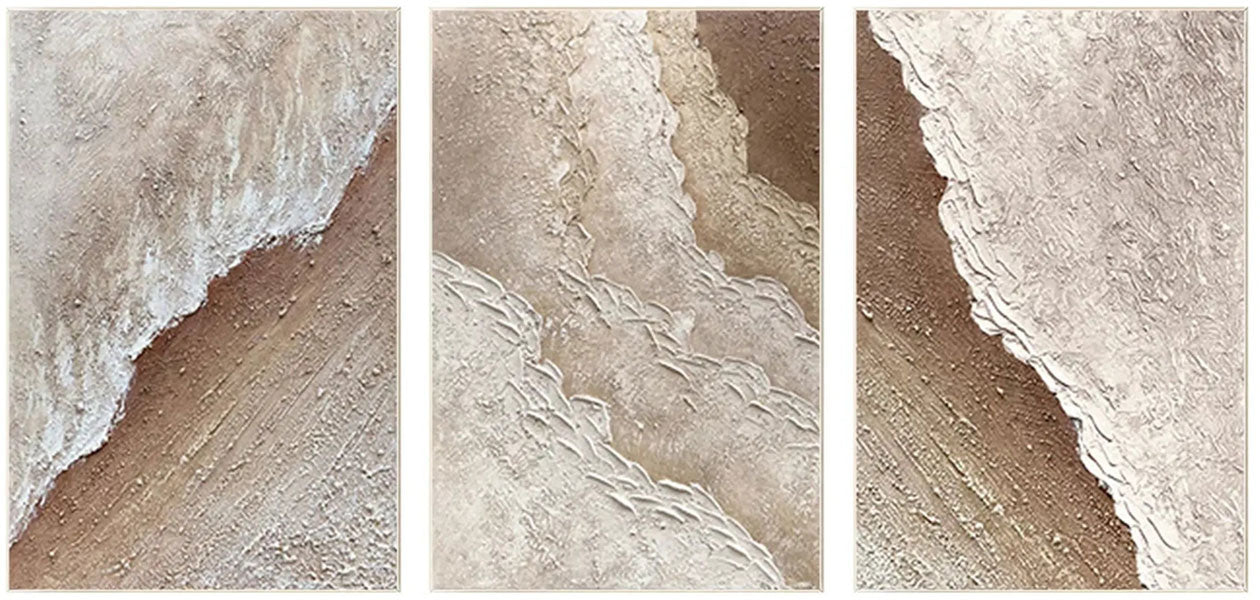
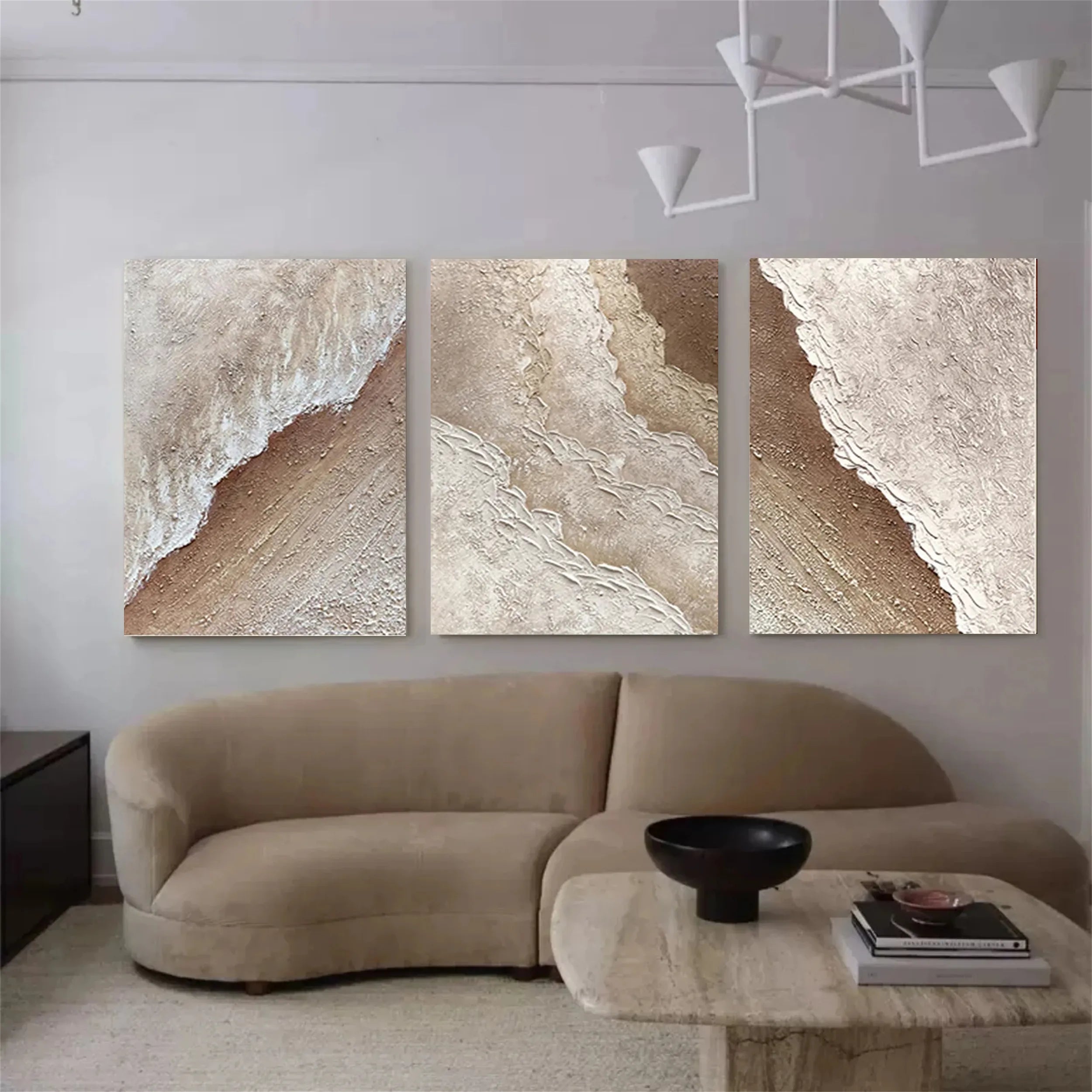
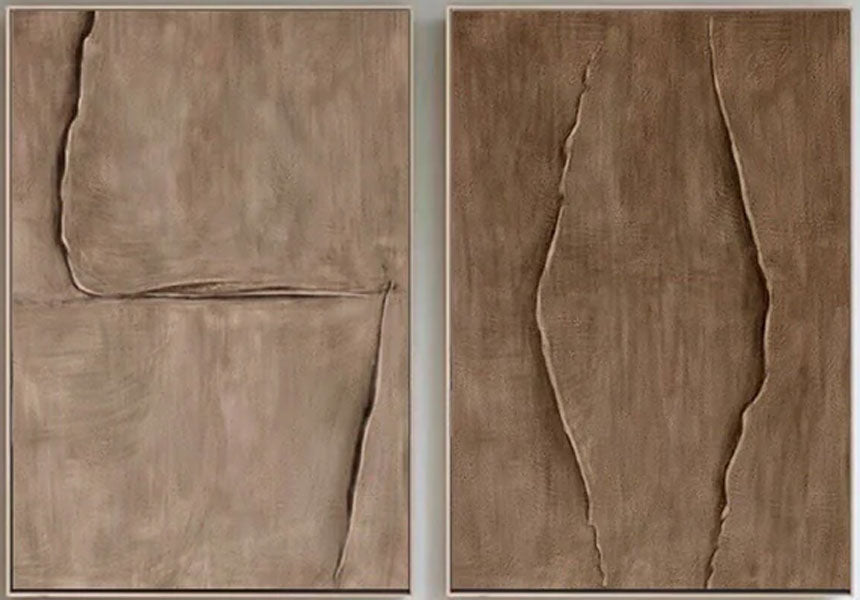
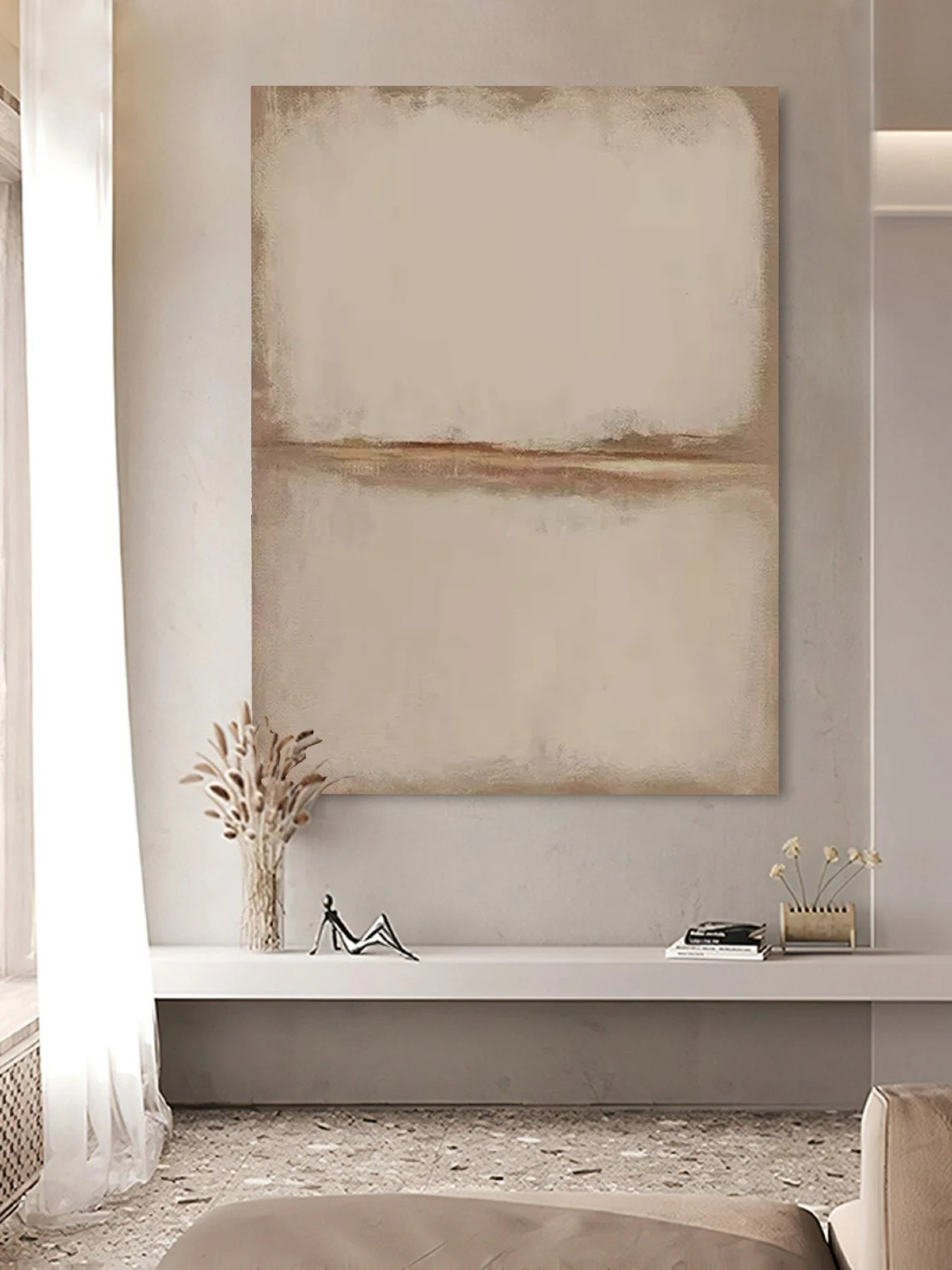
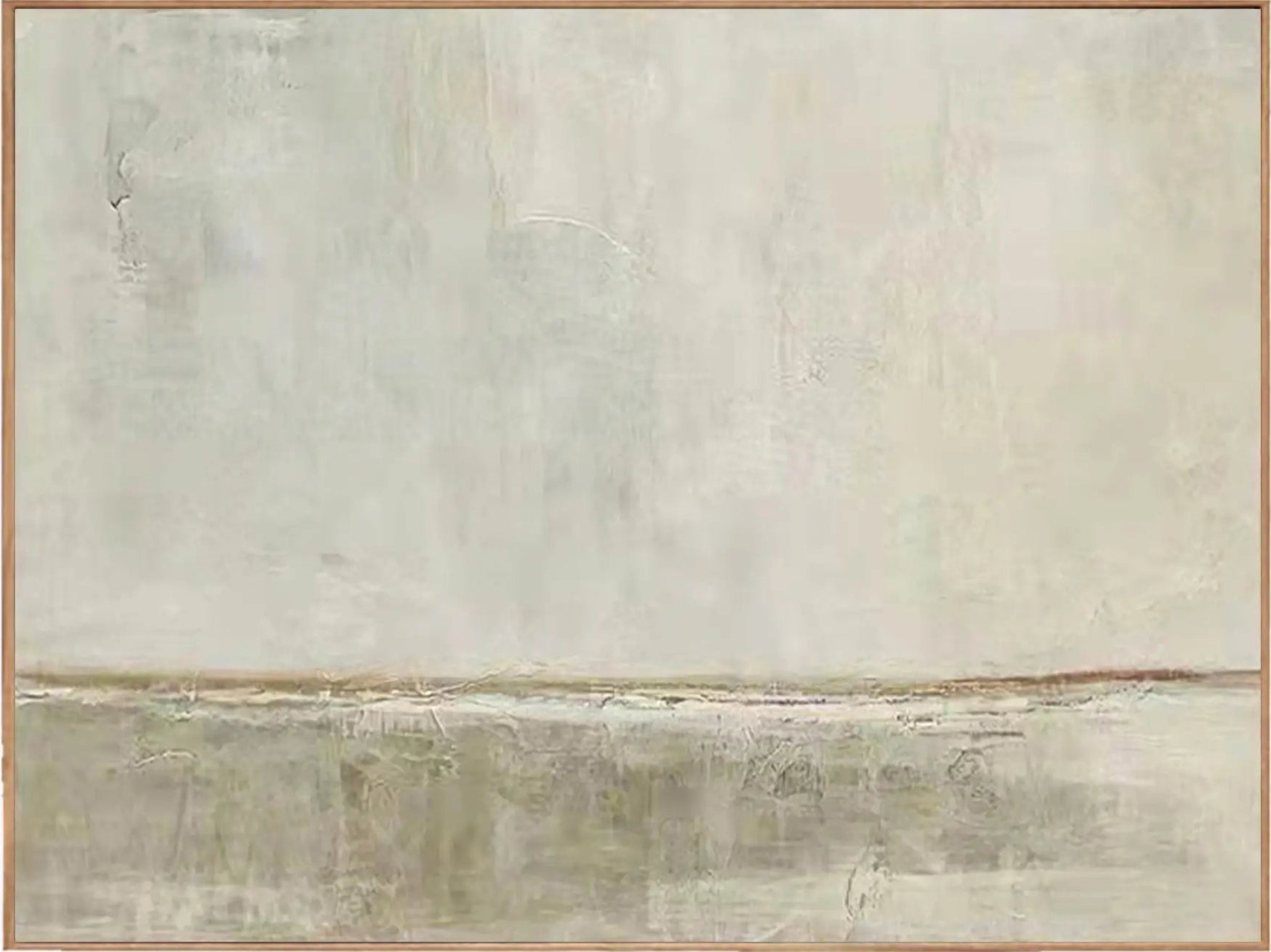
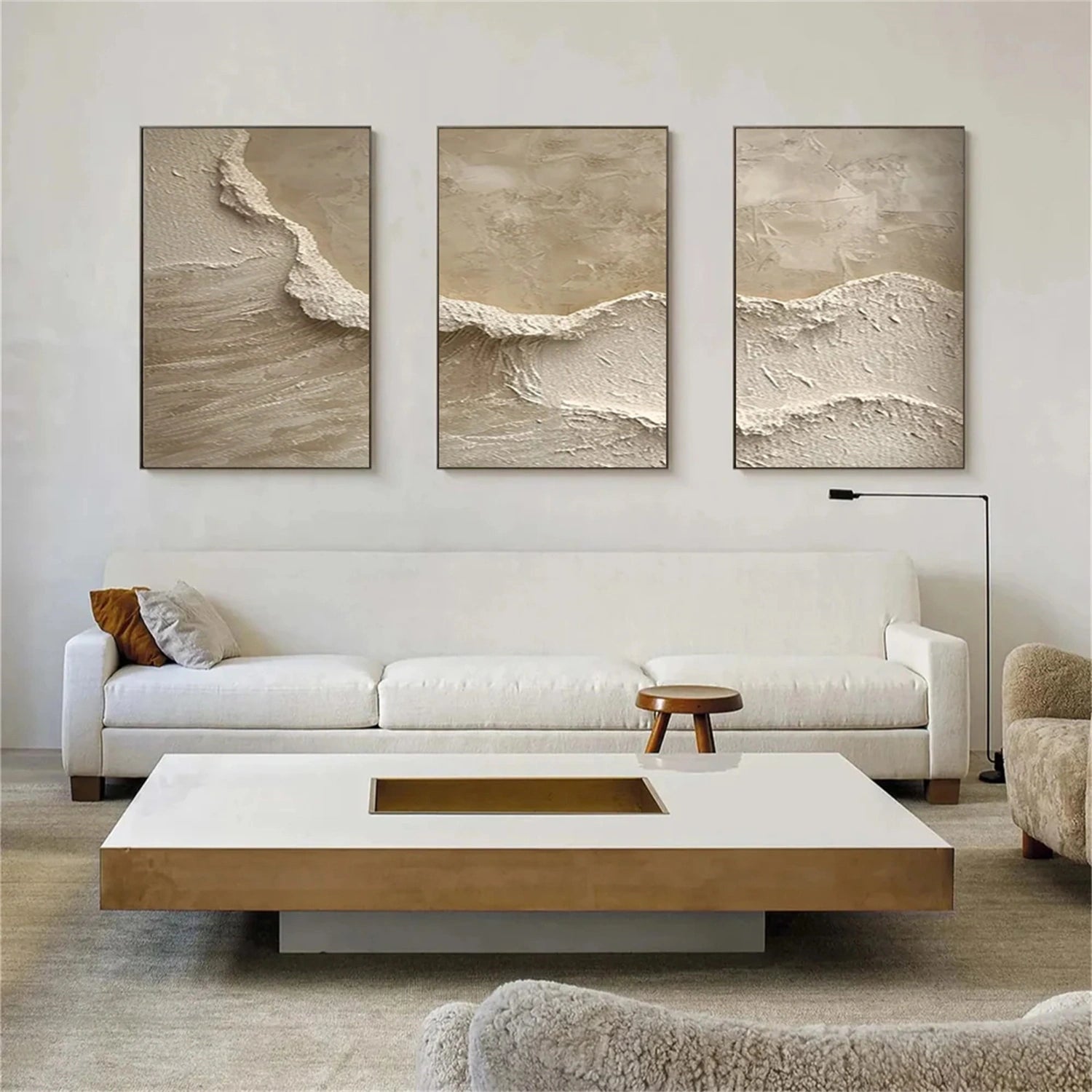
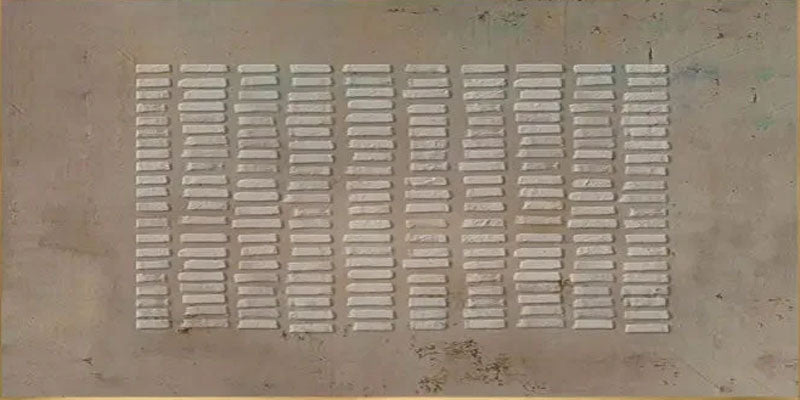
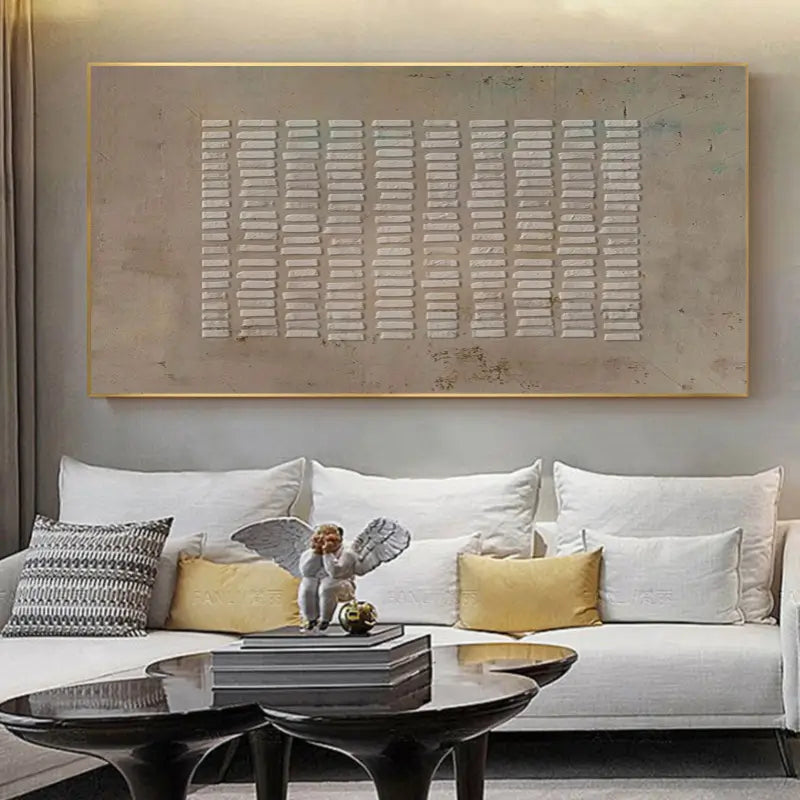
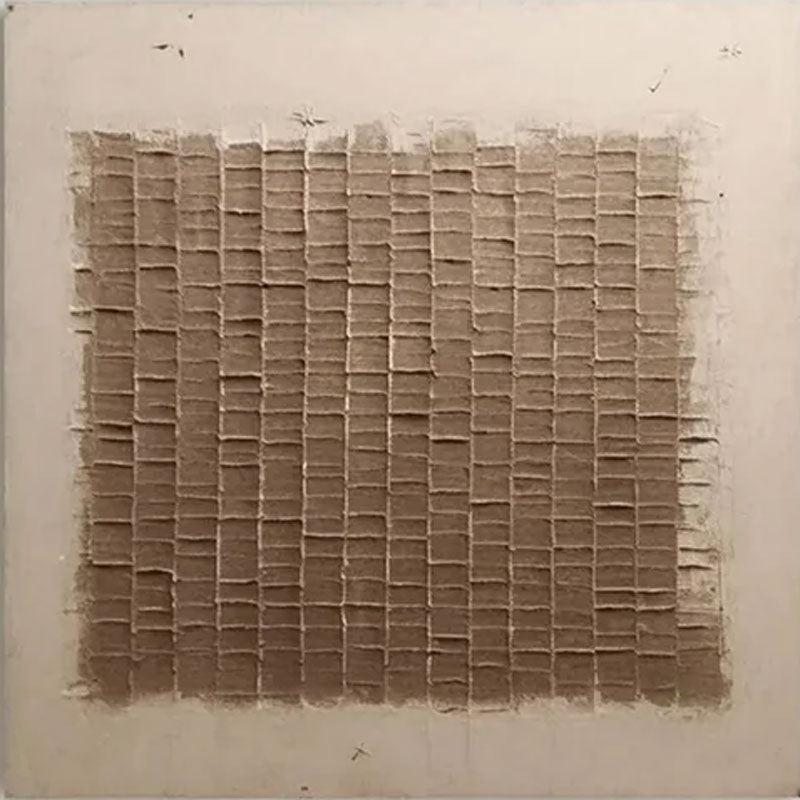
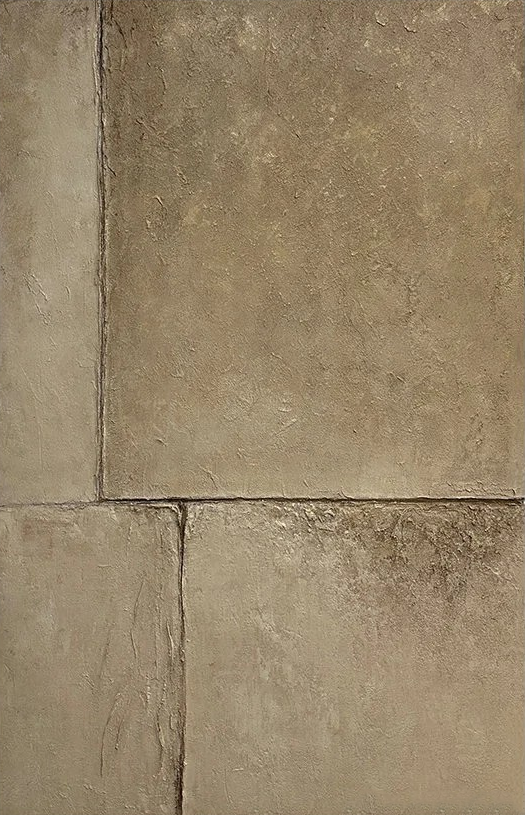
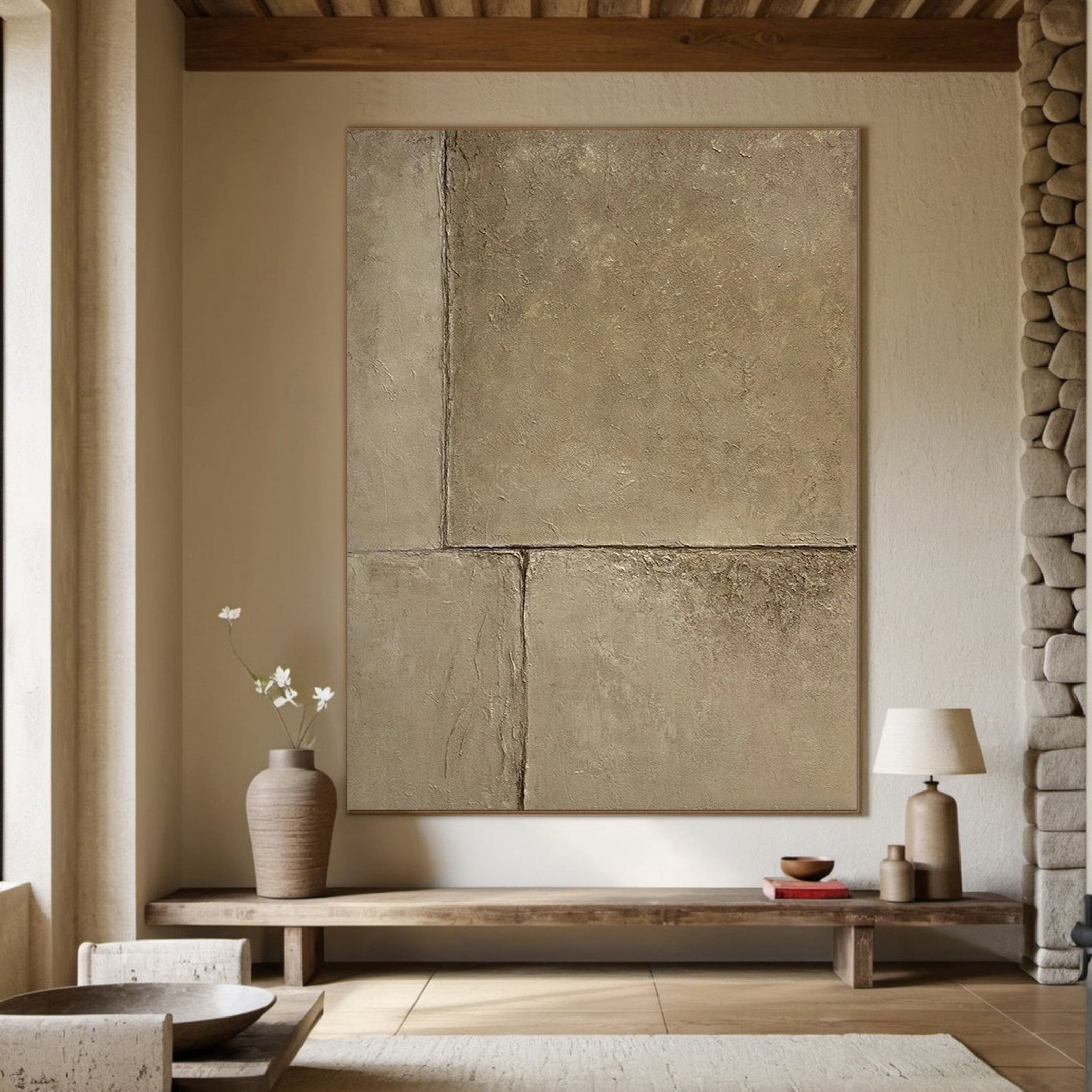
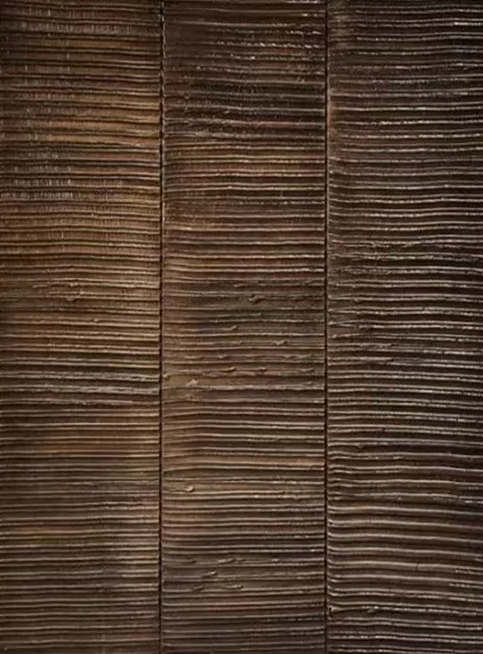
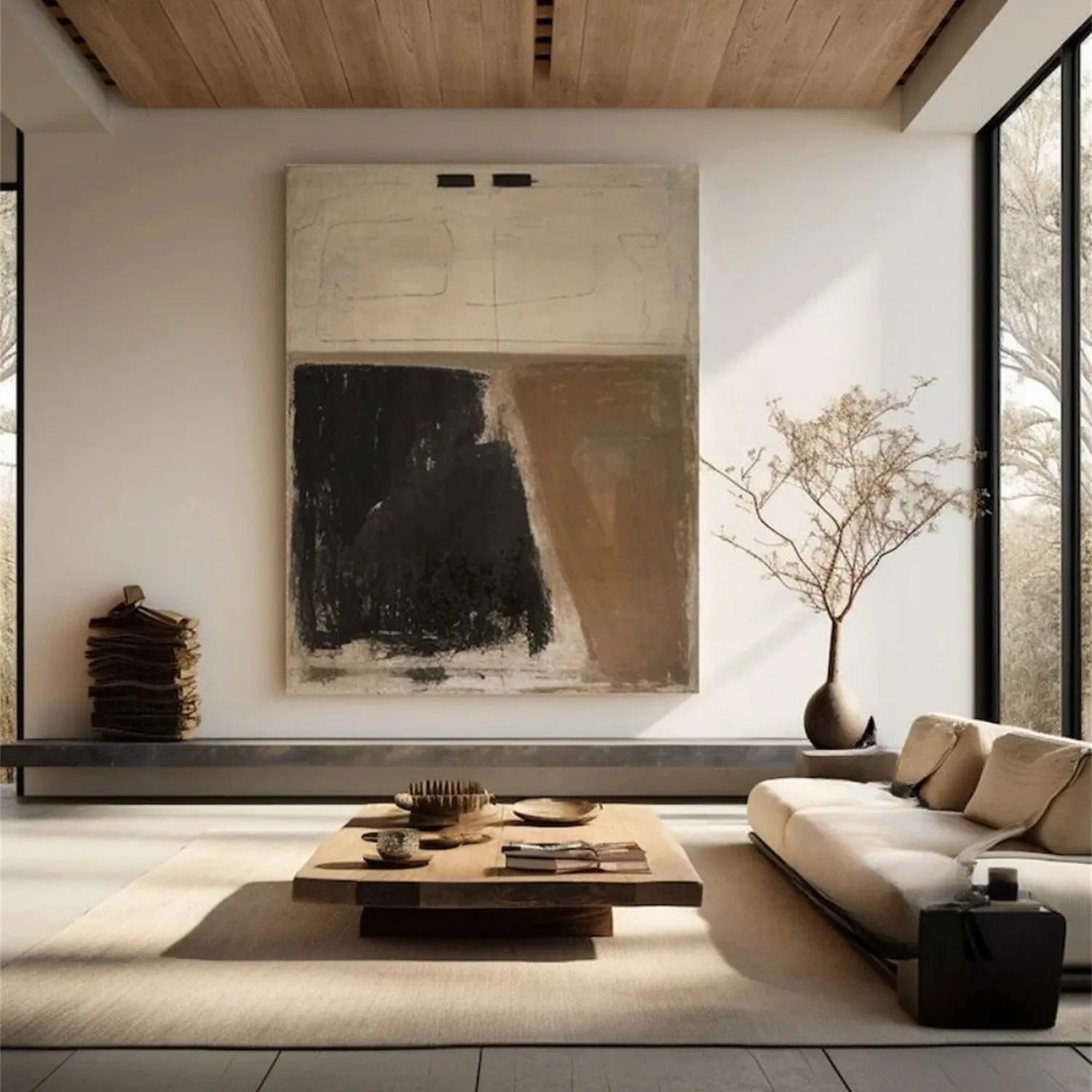
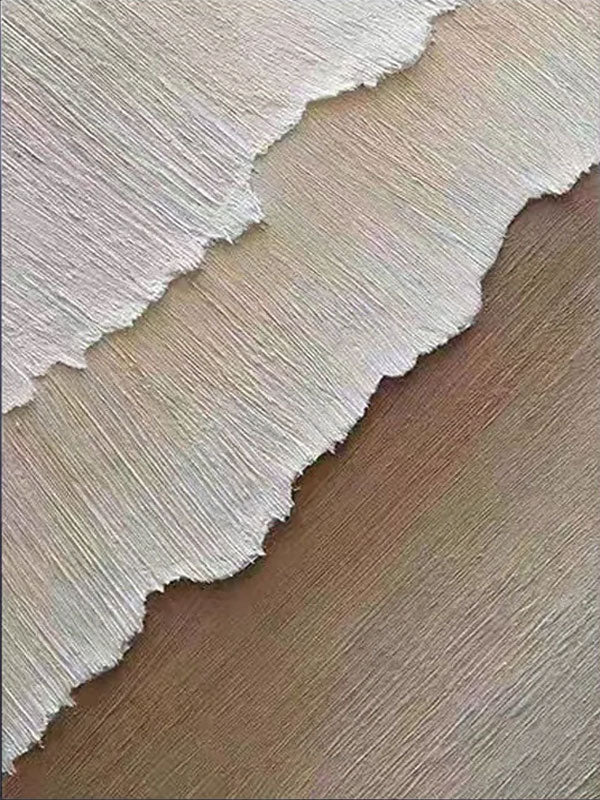
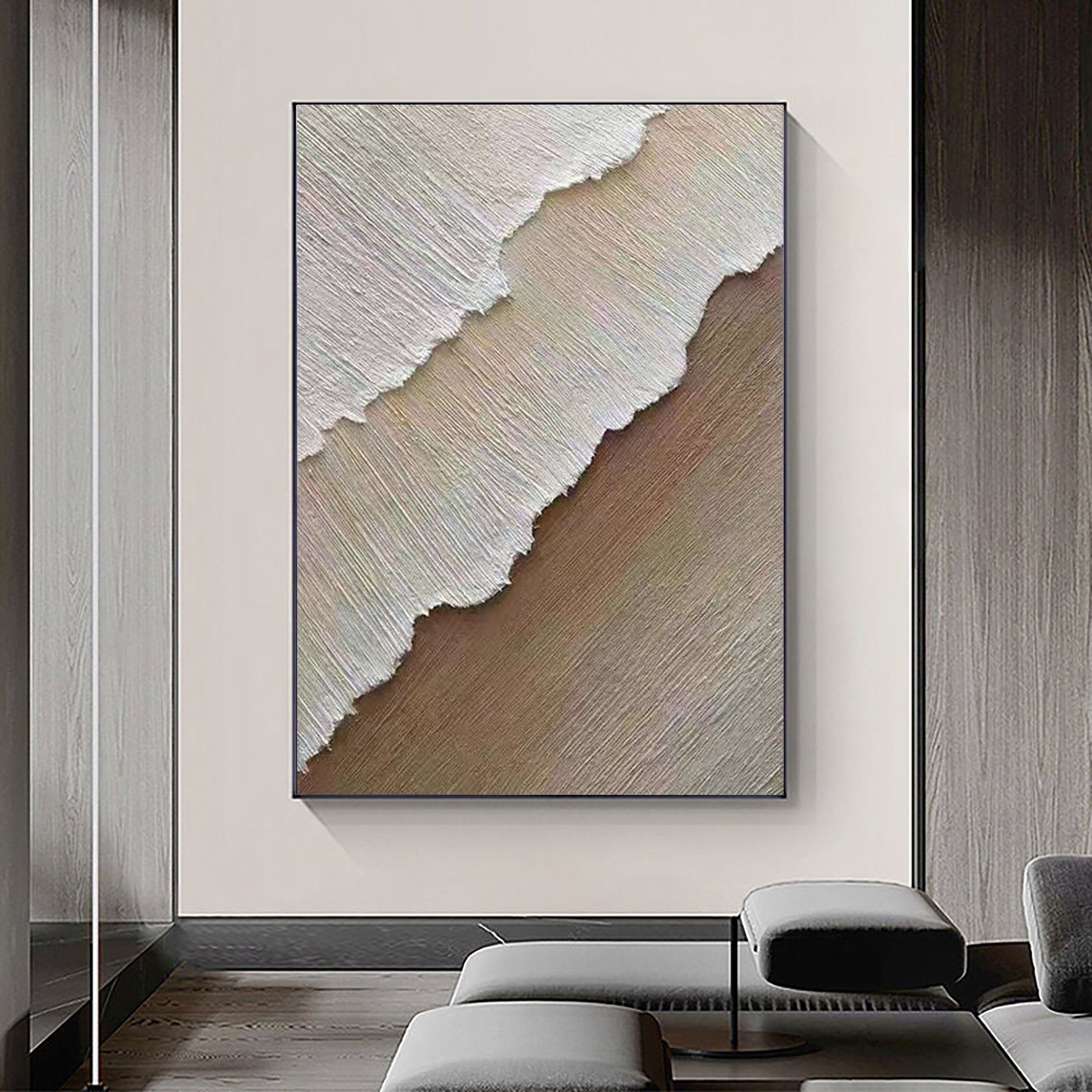
The essence of Wabi-Sabi lies in its texture. Our artists use impasto techniques to create textured canvas art that mimics the natural world—think of cracked desert earth, weathered stone, or sun-bleached linen. These neutral textured paintings provide visual interest without overwhelming the senses, making them perfect for creating a meditative atmosphere in living rooms and bedrooms.
2. Pairing Japandi and Wabi-Sabi Elements
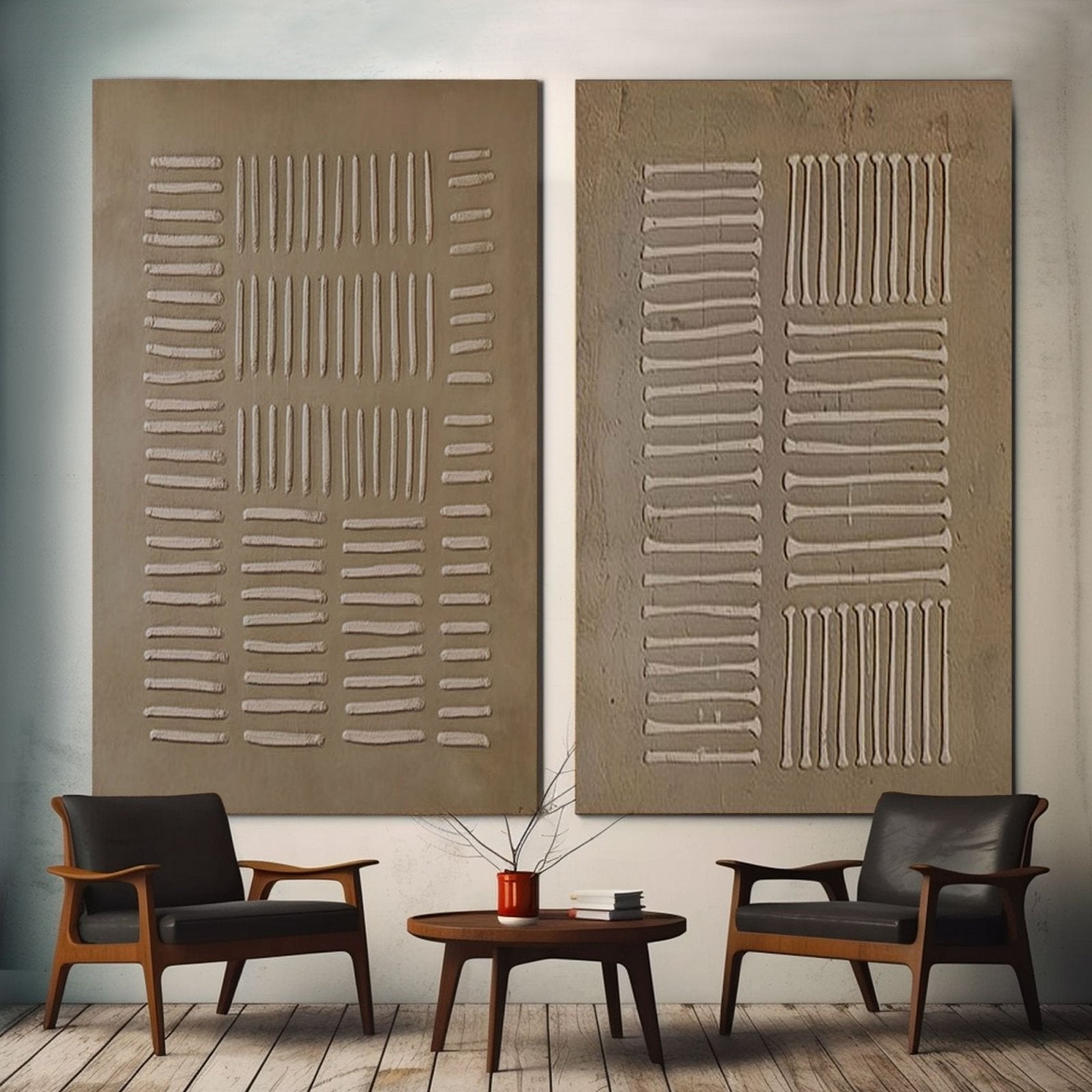
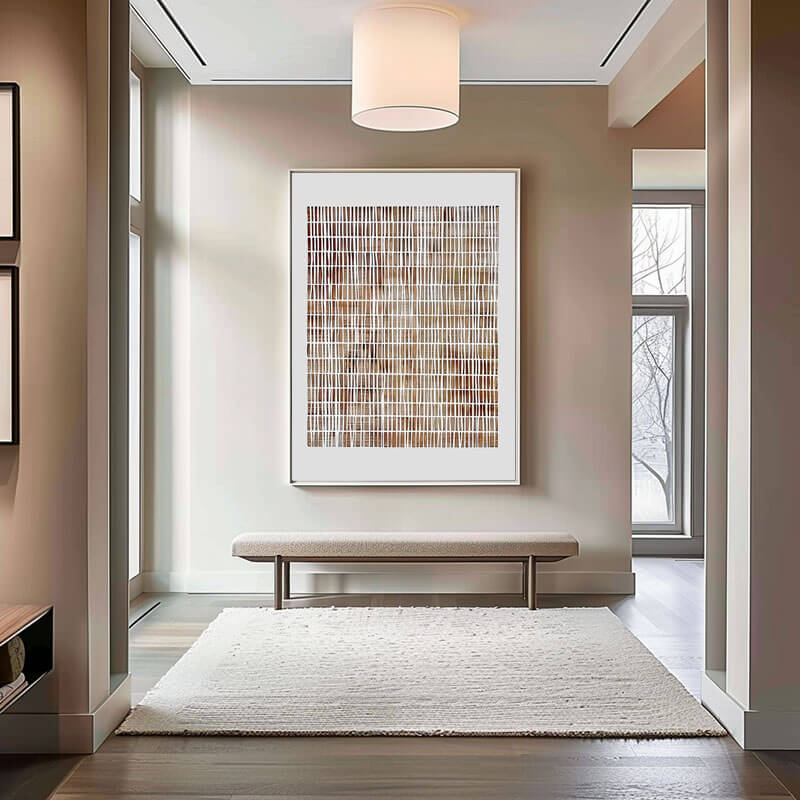
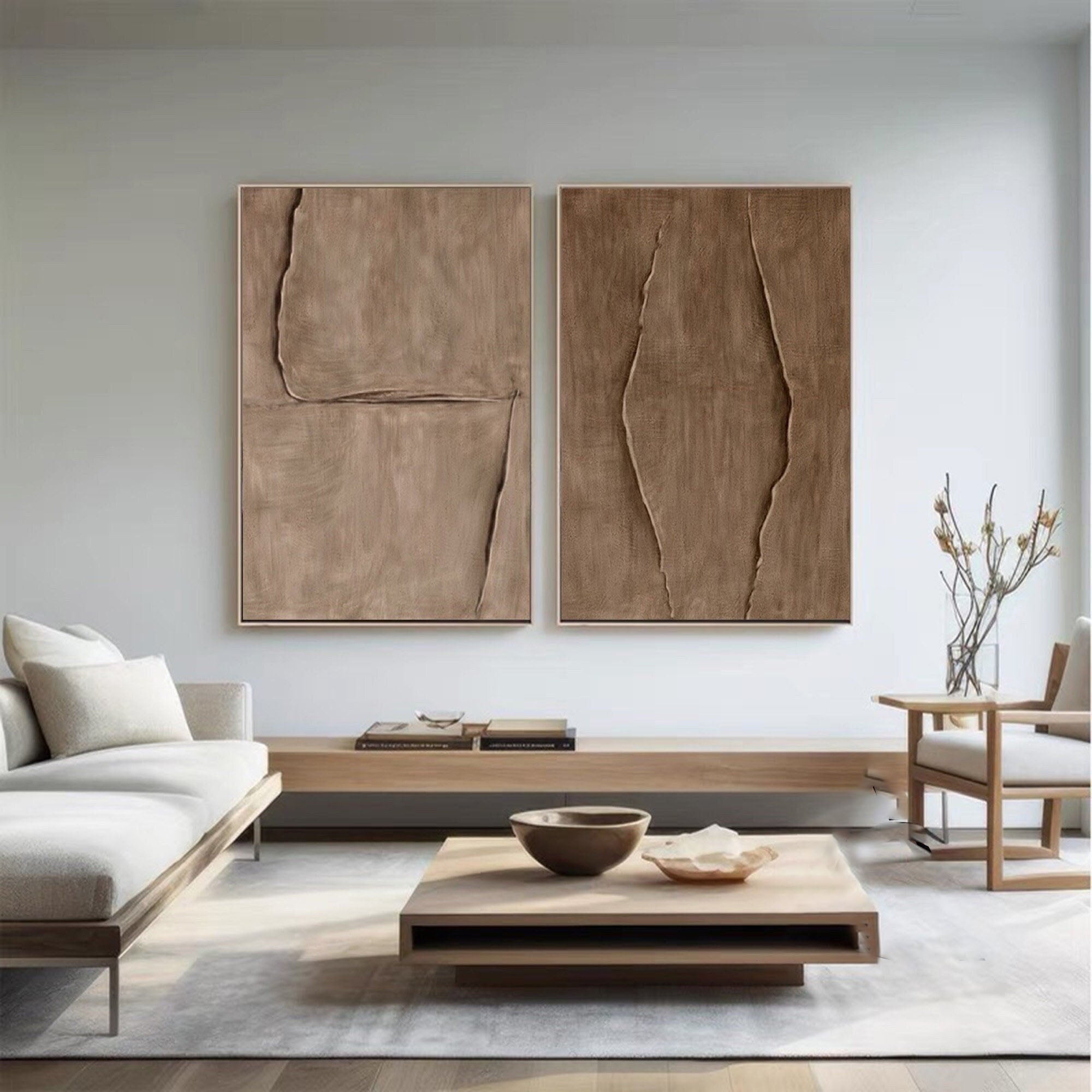
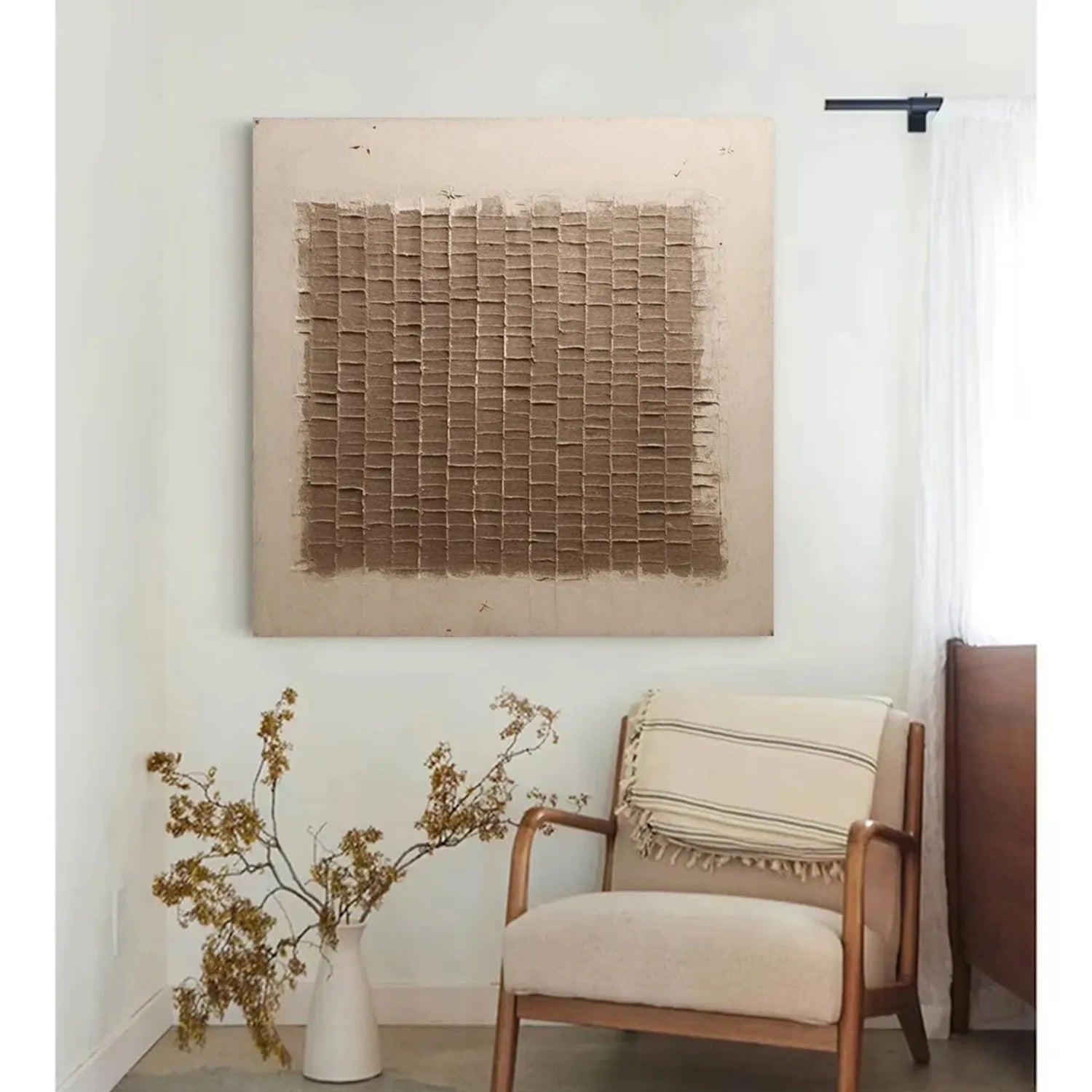
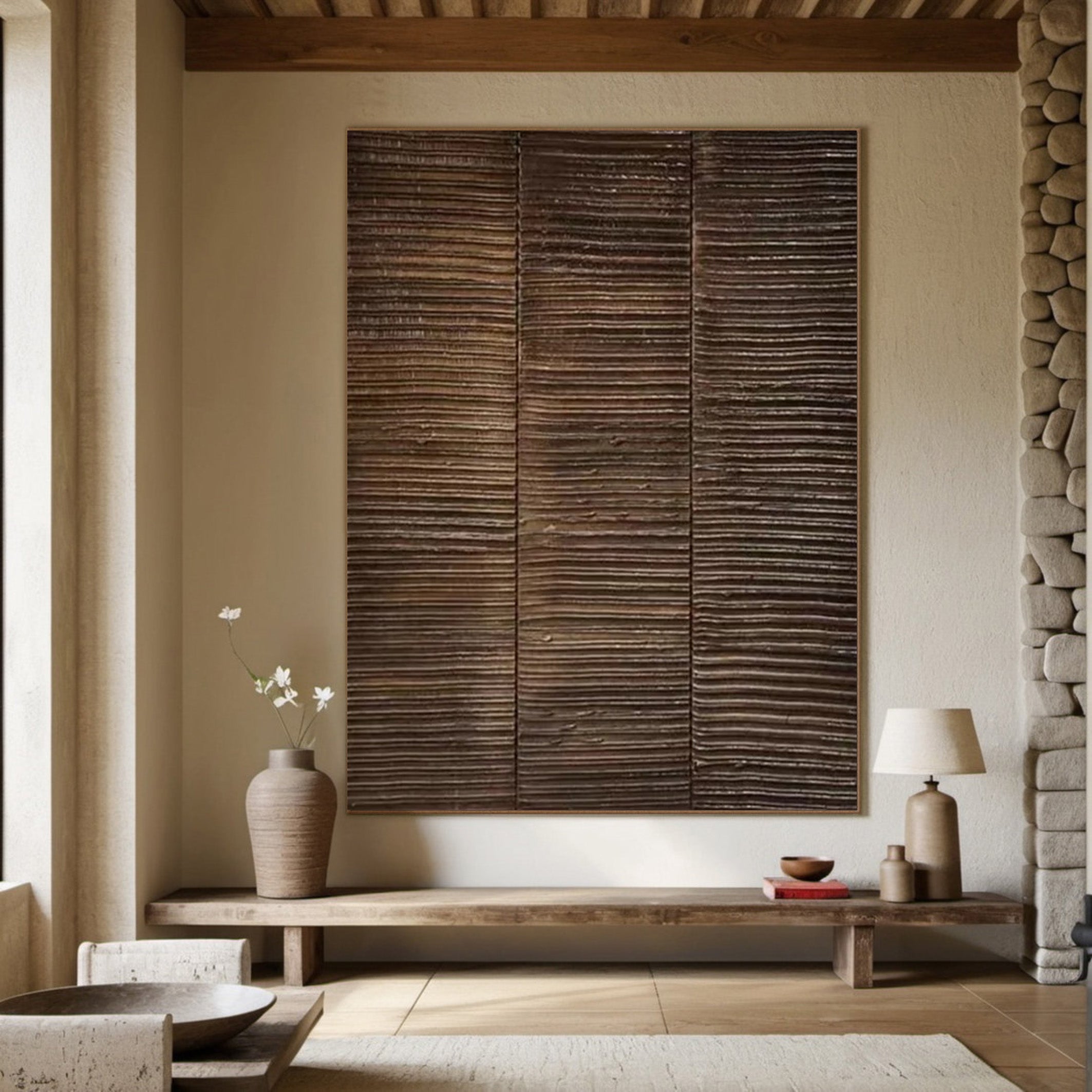
Our minimalist Wabi-Sabi artwork is the perfect bridge for Japandi (Japanese + Scandinavian) interiors. To achieve the look, we recommend pairing our large-scale Wabi-Sabi abstracts with:
- Natural oak or reclaimed wood furniture.
- Soft linen upholstery and wool throws.
- Handcrafted ceramic vases and organic-shaped lighting.
3. Handmade Authenticity vs. Mass-Produced Prints
While many stores offer "Wabi-Sabi style prints," they often fail to capture the 3D depth that defines the style. A real Wabi-Sabi artwork should be tactile. Because every Savy Canvas piece is handmade, the paint layers reflect light differently depending on the time of day, offering a dynamic and evolving aesthetic that mass-produced items simply cannot match.
Wabi-Sabi Wall Art FAQ
Q1: What colors are typical for Wabi-Sabi wall art?
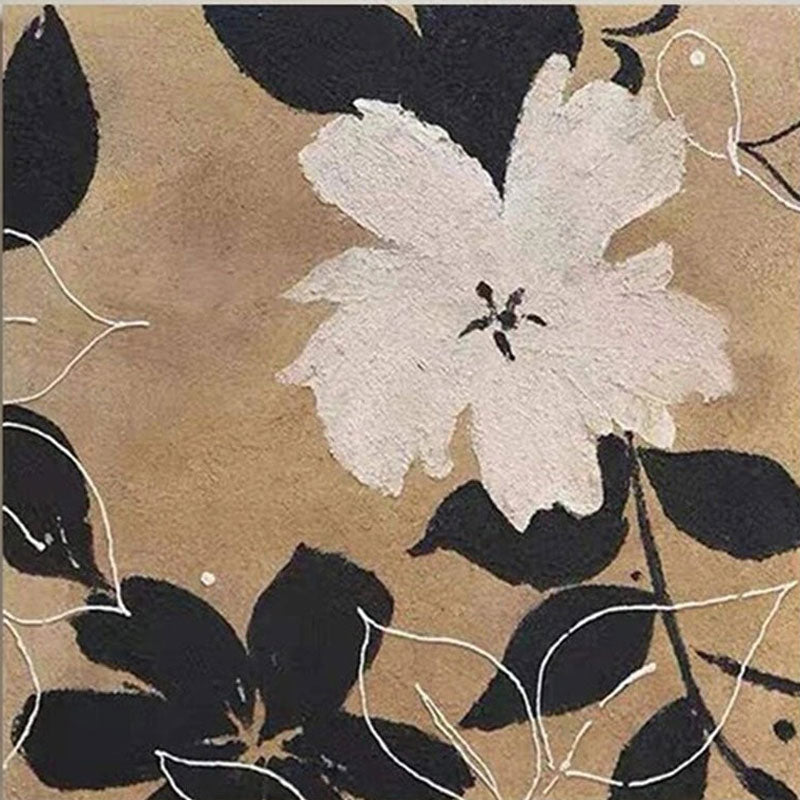
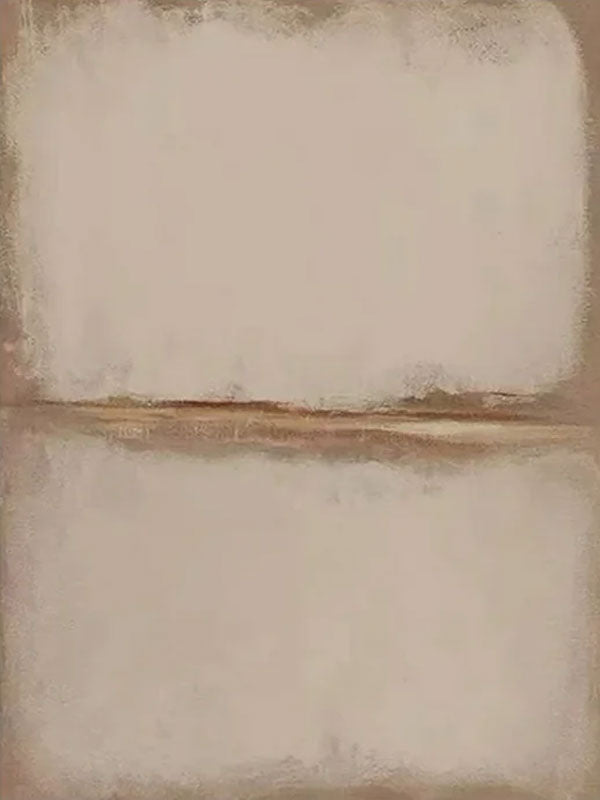
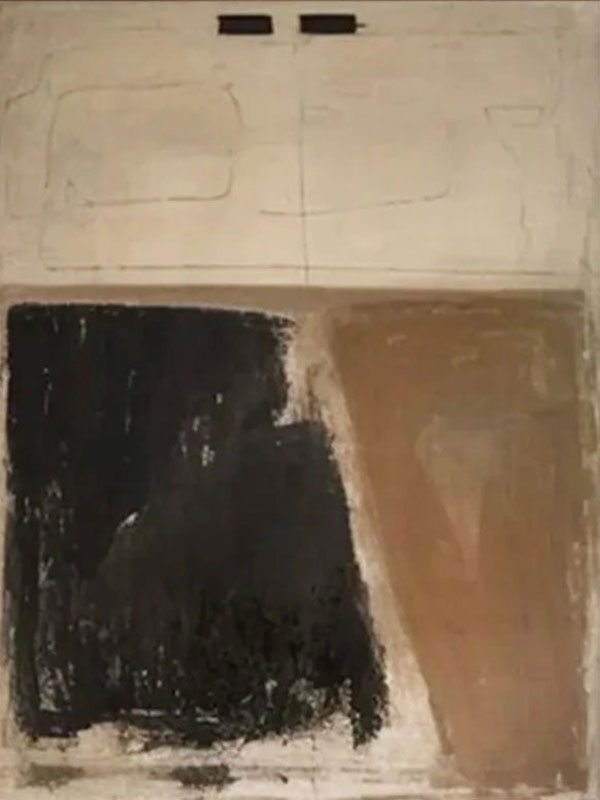
A: The palette is drawn from nature: warm beiges, soft greys, clay terracotta, muted sage, and charcoal blacks. These "earth tones" help create a grounding and calming environment.
Q2: Is Wabi-Sabi art the same as Minimalism?
A: Not exactly. While it shares the "less is more" ethos, Wabi-Sabi is warmer and more organic. It embraces age and wear, whereas traditional minimalism often seeks clean, pristine surfaces.
Q3: Can I hang Wabi-Sabi art in a colorful room?
A: Yes! A neutral Wabi-Sabi canvas can act as a "visual anchor" in a colorful space, providing a moment of rest for the eyes and adding a sophisticated contrast.
Q4: How does light affect textured Wabi-Sabi paintings?
A: Light is crucial. Because our art is 3D textured, side-lighting (like a window or a floor lamp) will highlight the paint ridges, creating beautiful shadows that enhance the Zen feel.
Q5: What sizes are available for these pieces?
A: We offer everything from small accent pieces to extra-large Wabi-Sabi canvases (up to 80+ inches). Custom dimensions are also available upon request.
Q6: Does the art come with a frame?
A: We offer multiple options: Rolled Canvas, Stretched (Ready to Hang), or Floater Frames in Wood, Gold, and Black to perfectly complement your minimalist decor .
Q7: Is Wabi-Sabi decor suitable for modern offices?
A: Absolutely. The calm nature of Wabi-Sabi artwork is proven to reduce stress and promote focus, making it a top choice for professional and home offices.
Q8: How do I know the painting is really hand-painted?
A: You will see the physical brushmarks and variations in paint thickness. Unlike prints, no two pieces are identical, which is the core of the Wabi-Sabi "unique soul" philosophy.

100% Hand-Painted Originals
Each painting is meticulously hand-painted by skilled artists

Easy 30-Day Returns
Shop with confidence

Free Worldwide Shipping
Your art is carefully packaged and safely delivered to your doorstep

Elevate Your Space
Transform your home or office with art that adds personality, depth